 RockCloud-基石云安全-官方博客
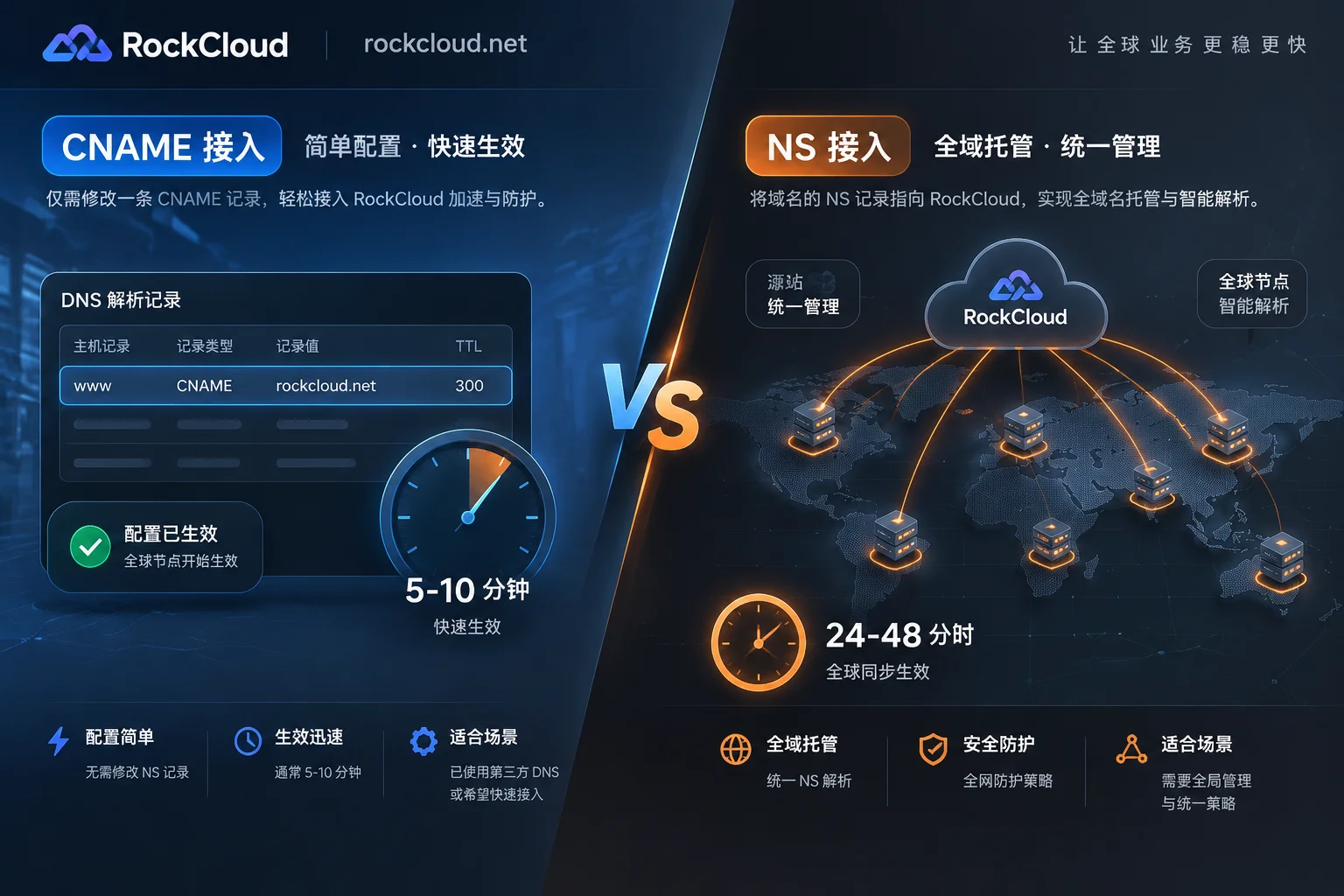
Does High-Defense CDN Require Changing NS: CNAME vs NS Activation Speed, Protection Boundaries, and Selection Criteria
High-defense CDN access does not require changing NS records; CNAME access takes effect in minutes with limited protection scope, while NS access offers full-domain protection including DNS layer but requires hours to 48 hours to propagate globally.
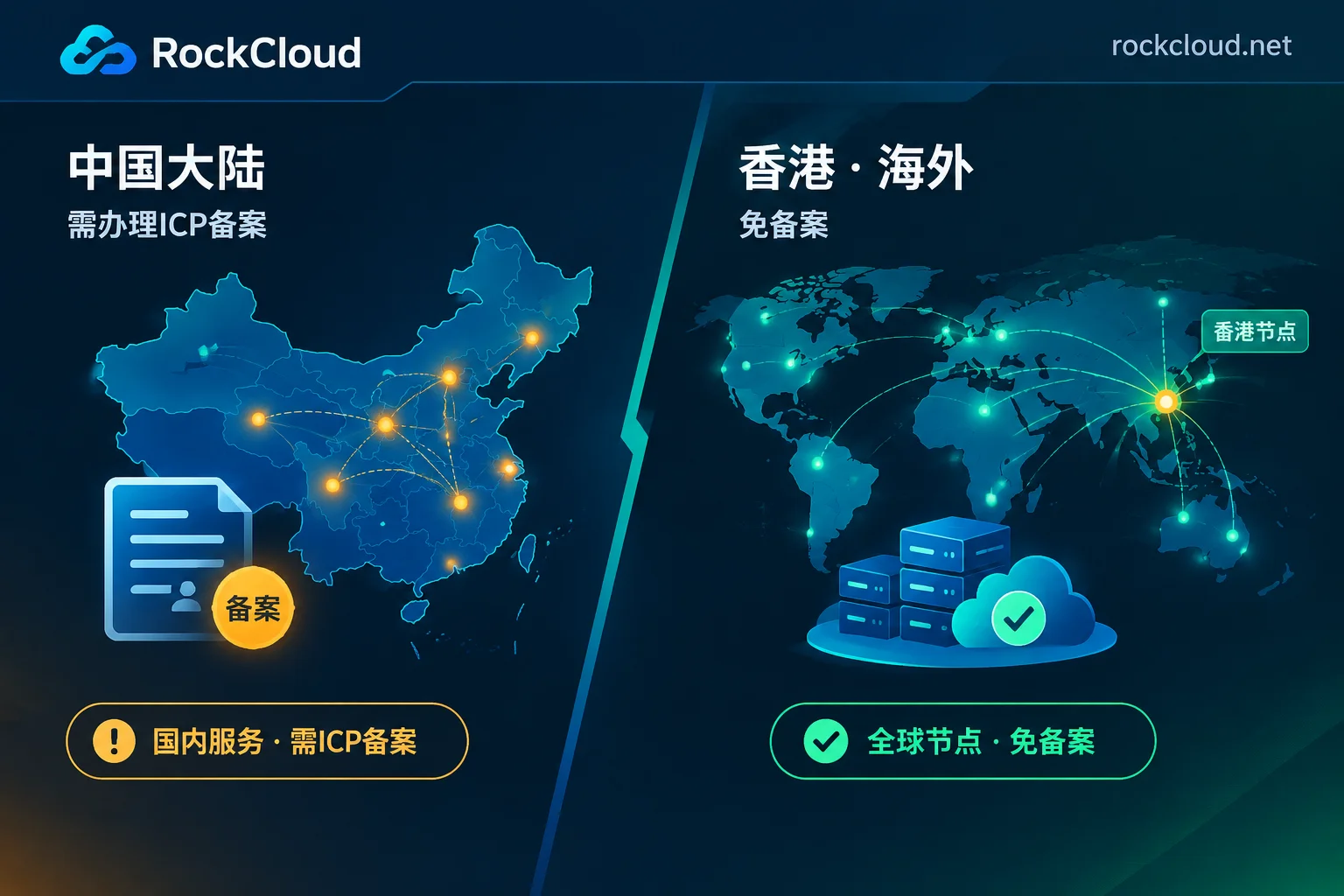
Does High-Defense CDN Require ICP Filing: Node Location Decides, No-Filing Access Solutions for Unregistered Domains
Whether a high-defense CDN requires ICP filing depends entirely on the physical location of its nodes, not on its protection capabilities. Using mainland China nodes requires an MIIT ICP filing, while using Hong Kong or overseas nodes allows access without filing. For unregistered domains or emergency protection, choosing Hong Kong/overseas nodes with CN2 direct connections is standard practice.

How to Choose Between Game Shield and High-Defense CDN: 4 Criteria Determine Feasibility and Defense Depth
The choice between Game Shield and High-Defense CDN depends on business protocol layer, client form, defense depth requirements, and origin exposure risk.

Seamless High-Defense CDN Onboarding: 6 Steps for Zero-Downtime Migration
Follow this 6-step process to integrate a high-defense CDN without downtime, covering DNS TTL reduction, origin pre-whitelisting, certificate alignment, gray traffic shifting, real IP passthrough, and origin whitelist lockdown.

What Attacks Can a High-Defense CDN Prevent and Deployment Guide
A comprehensive guide on the types of attacks high-defense CDNs can mitigate, including DDoS, CC, API attacks, and malicious crawlers, with deployment considerations for e-commerce, gaming, and global businesses.
