RockCloud-基石云安全-官方博客

Game Shield Private Protocol Encapsulation and Full-Protocol Forwarding: A Protection Architecture Against TCP/UDP Non-Standard Port Attacks
As game attacks evolve from traditional traffic floods to precise probing and mixed attacks against TCP/UDP non-HTTP interfaces, standard web protection alone can no longer cover core combat and multiplayer logic. This article provides an in-depth analysis of how Game Shield builds a full-protocol game defense line through private protocol encapsulation, distributed edge node forwarding, and seamless switching mechanisms without modifying the origin server.

API and Dynamic Interface CC Defense: Tackling Low-Frequency Slow Attacks, Residential Proxies, and High-Concurrency API Abuse
CC attacks increasingly use massive residential proxies to launch low-frequency slow requests, precisely targeting high-consumption dynamic interfaces such as APIs, login, search, and AI inference. This article analyzes why traditional static rate limiting and pop-up verification fail in API scenarios, and provides a CC defense solution that balances anti-abuse and business continuity by combining high-defense CDN, machine learning WAF, security tokens, and unlimited request billing.

Video CDN Abuse and DDoS Attacks: Anti-Leeching, CC Protection, and Unmetered Billing Selection
How video platforms can defend against PCDN traffic abuse, content leeching, and Tbps-scale DDoS/CC attacks by choosing a video CDN with anti-leeching, Multi-DRM, same-path high-defense scrubbing, and fixed-peak unmetered billing.

Why Non-Filing CDN Access from Mainland China Is Often Slow: Return Routes, High-Defense Scrubbing, and a No-NS-Change Onboarding Solution
Many businesses choose non-filing CDNs to skip the lengthy ICP filing process, but after launch they often face evening peak lag for mainland users, origin servers overwhelmed by CC attacks, and huge bills from traffic-based billing being abused. This article analyzes from three dimensions—cross-border return routing, same-path DDoS/CC scrubbing, and smooth CNAME onboarding—how to build a non-filing acceleration defense line that balances mainland access speed and attack resistance.
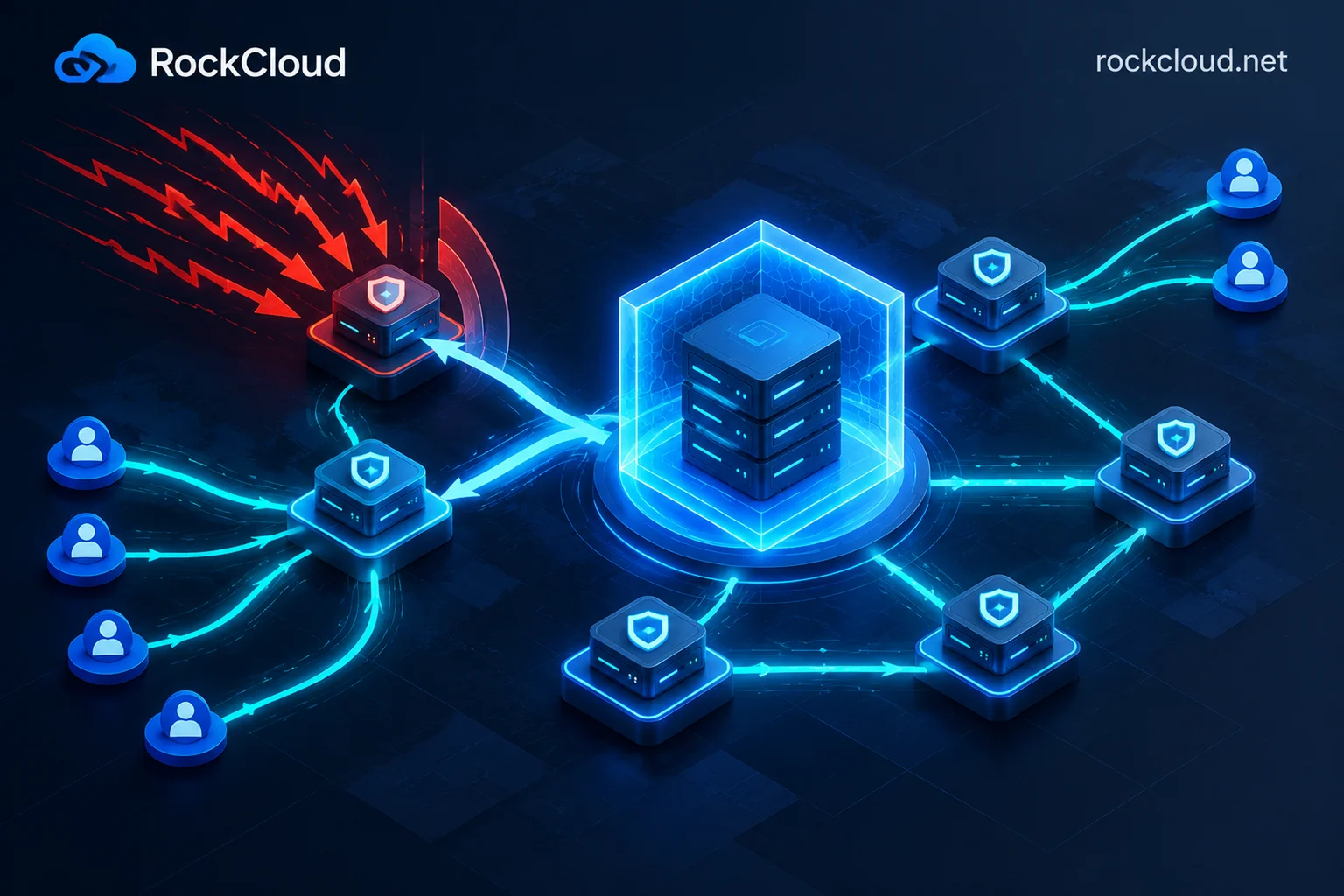
Why DDoS Attacks Cause Mass Disconnects in Games: How Game Shield Switches Nodes Without Dropping Connections
Real-time competitive and card games facing DDoS or TCP/UDP protocol attacks often suffer not just packet loss but mass disconnections, state rollbacks, and reconnection avalanches. This article breaks down three core protection mechanisms of Game Shield: private protocol encapsulation, distributed edge forwarding, and seamless node switching under attack, enabling full TCP/UDP protocol forwarding and preventing disconnections.