 RockCloud-基石云安全-官方博客

How to Choose CDN Security Acceleration? Key Points for Three-Layer Decision-Making and Verification
This article dissects the three-layer mechanisms of CDN security acceleration—capacity absorption, request buffering, and Layer-7 rules—from the dual decision chains of acceleration and security, and provides the root causes and verification checklists for origin servers being directly attacked.

High-Protection IP vs High-Protection Server: Cost and Effectiveness Comparison
A detailed cost-benefit analysis comparing high-protection IP and high-protection servers across four key dimensions, with practical recommendations for different business scenarios.

Dedicated vs. Shared High-Protection IPs: Four Key Differences Explained
Dedicated and shared high-protection IPs differ mainly in bandwidth exclusivity, blackhole fault domain, IP reputation, and peak handling authority. This article details these four differences, backed by NETSCOUT's report on ultra-large-scale floods, and provides verification questions and red flags for pre-contract checks, along with selection guidance by business type.
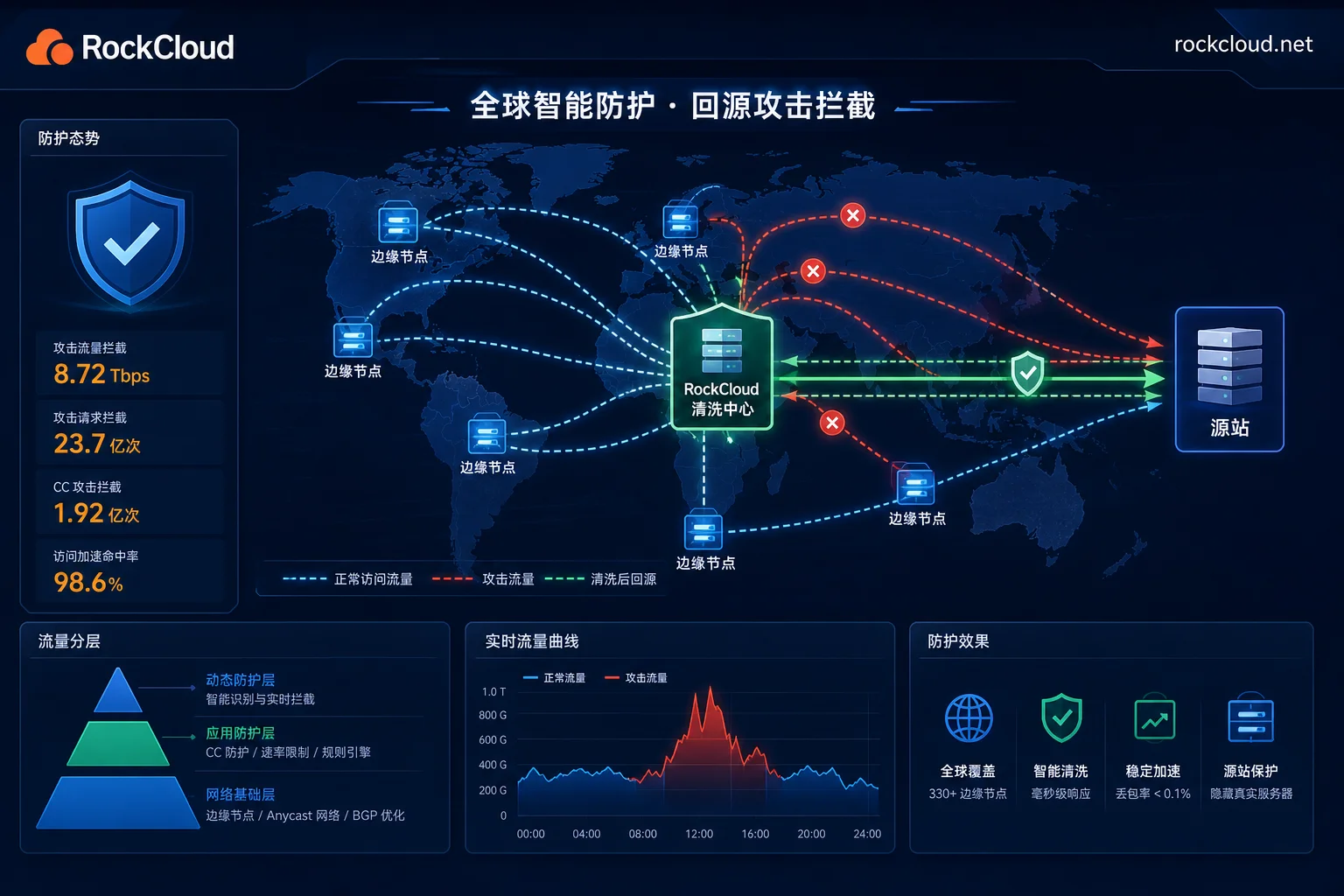
How to Optimize High-Defense CDN Cache Strategy to Reduce Origin Server Pressure: A 5-Step Configuration
Optimizing high-defense CDN cache strategy to reduce origin server pressure involves five steps: cache key normalization, request collapsing, layered origin fetch, path-based partitioning, and origin fetch whitelist, which intercept concurrent requests at the edge and drastically reduce origin fetch volume.
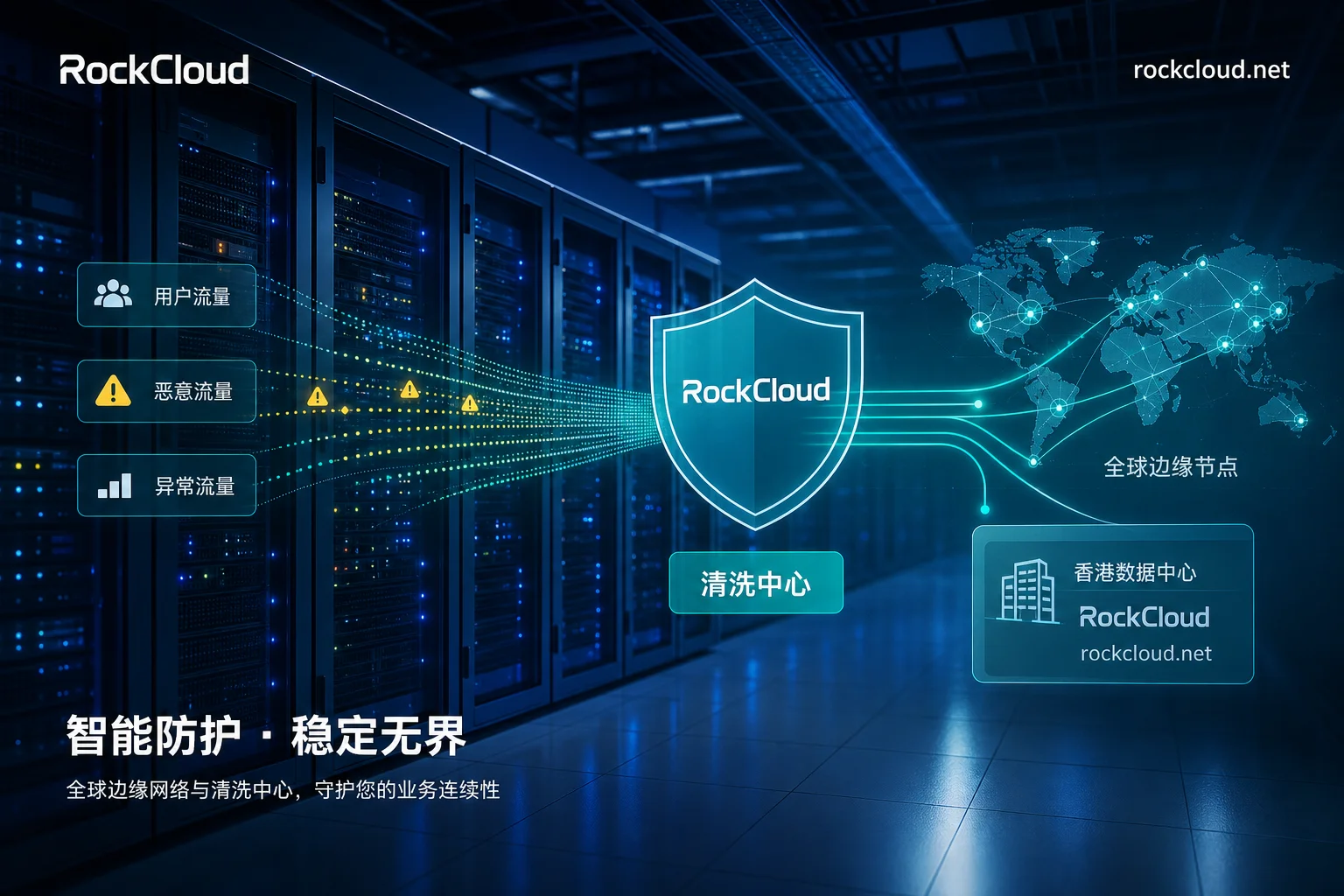
How to Choose a Hong Kong CN2 Server? 6 Criteria to Verify Before Signing
Break down Hong Kong CN2 server selection into two independent capabilities: line quality and DDoS mitigation, providing 6 verifiable criteria covering return-path CN2 validation, peak-hour packet loss, scrubbing mechanisms, blackhole policies, cross-border return routing, and non-HTTP traffic support.