RockCloud-基石云安全-官方博客
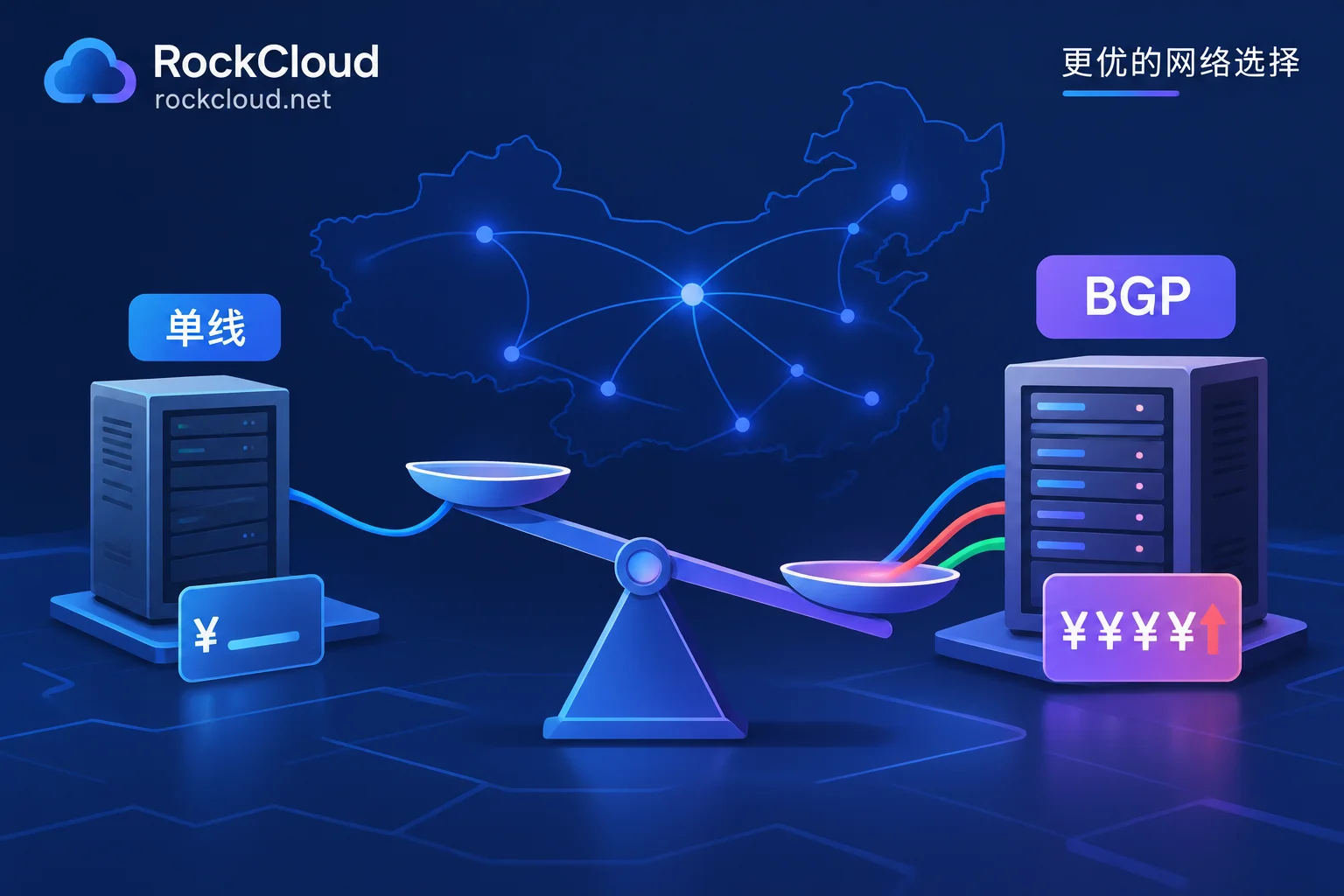
Why Single-Line High-Defense Is Much Cheaper: What You Save on Multi-Line Bandwidth and Cross-Network Redundancy, and Who Pays the Price
Single-line high-defense is cheap mainly because it buys bandwidth from one carrier and skips BGP multi-line routing and redundancy; the savings become cross-network latency for off-network users, who may even be unable to connect during attacks.
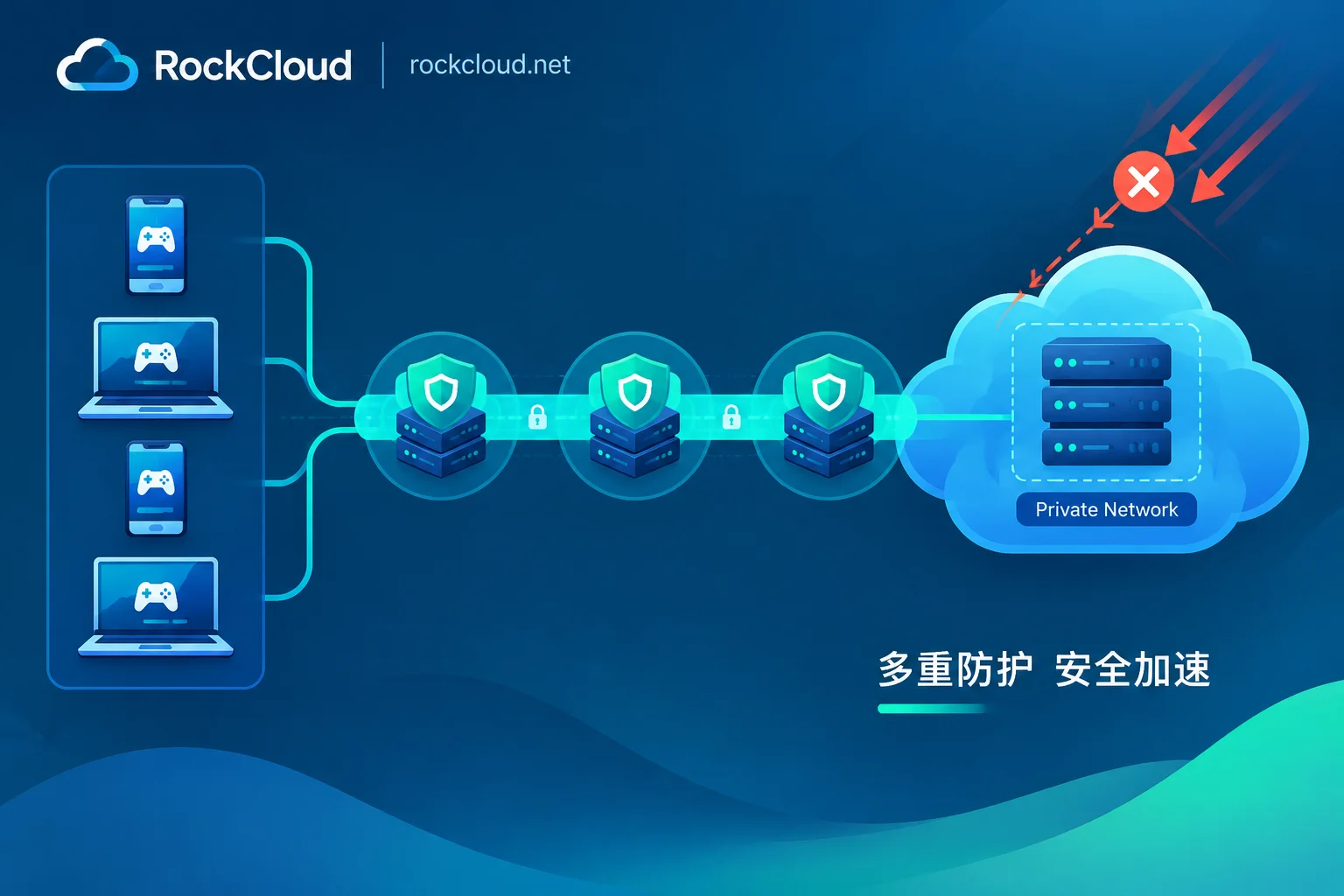
How to Hide Origin IP When a Card Game Server Is Attacked: Contain, Change IP, Encapsulate Access in Three Steps
When the origin IP is exposed, attacks bypass perimeter defenses and hit the server directly, sometimes leading to ISP blackholing. This article presents an operations-driven sequence: first contain the breach with security group whitelisting, then close all leak channels such as hardcoded client IPs, DNS history, and outbound callbacks, then change the public IP and move core nodes into a private network, and finally encapsulate access for long connections and web traffic separately through game shield and high-defense reverse proxy, with a mandatory post-change verification checklist.