 RockCloud-基石云安全-官方博客
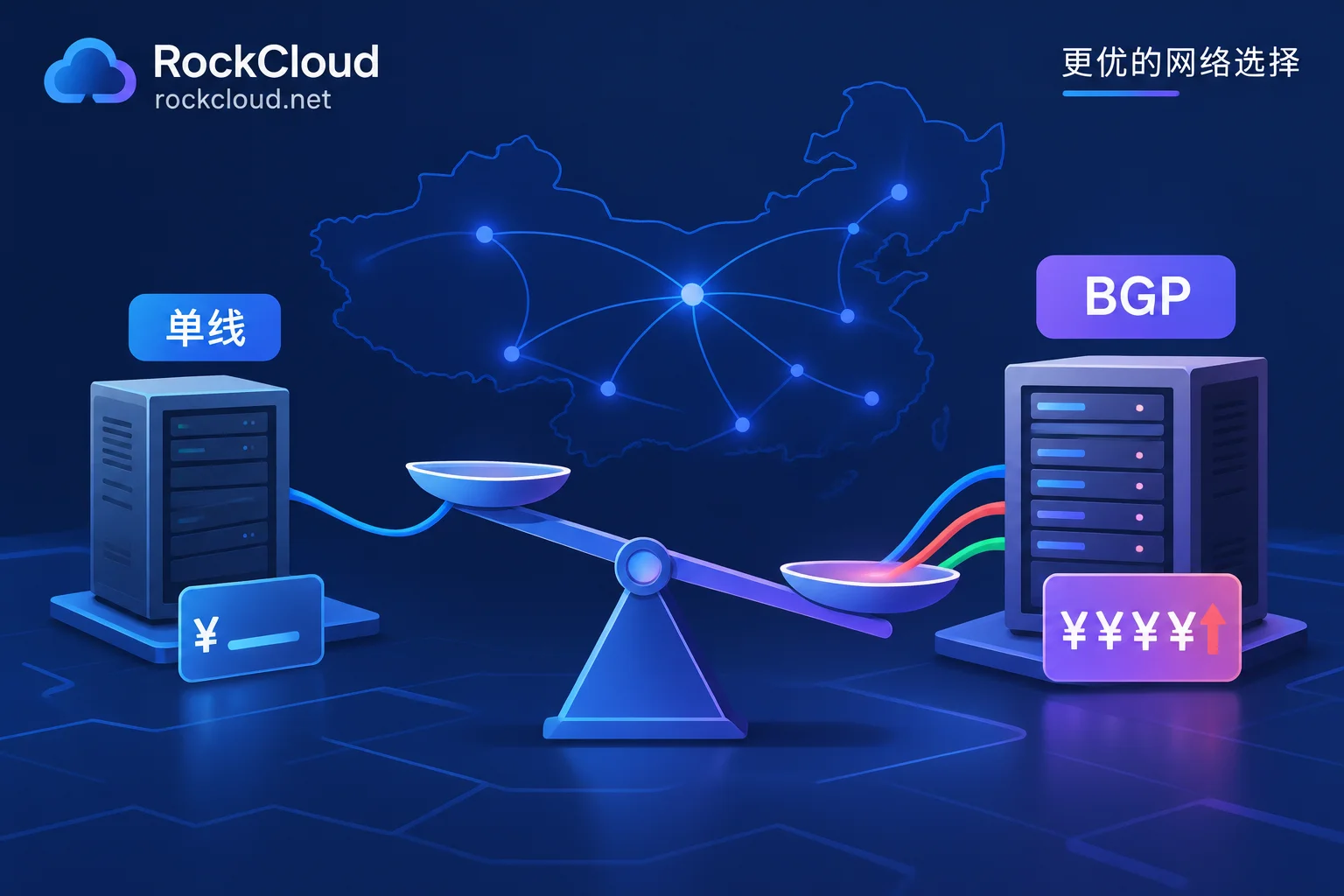
Let's start with the conclusion: single-line high-defense is cheap mainly because it saves on the line itself, while its scrubbing capability isn't necessarily worse than others. It connects to the backbone network of only one carrier (usually China Telecom or China Unicom), so bandwidth procurement and network architecture are far simpler than BGP multi-line. The money saved here is ultimately paid by off-network users: in normal times cross-network access is slow with heavy packet loss, and during attacks the cross-network link tends to saturate first, leaving those users unable to open your service.
So to judge whether single-line high-defense is worth it, the first step is to look at which network your users are on—the defense value actually comes second.
Where the Price Gap Comes From: Three Cost Items
1. Bandwidth purchase unit price differs. A single-line data center buys bandwidth from only one carrier, and many IDCs procure at provincial network nodes in tier-2 or tier-3 cities, where single-network bandwidth is very cheap. BGP high-defense must buy bandwidth from multiple carriers—Telecom, Unicom, Mobile, and others—and also apply for and configure its own AS number, so the combined cost per M of bandwidth is usually several times that of single-line.
2. Simpler network architecture. A single-line data center doesn't need to run cross-network BGP dynamic routing, nor the corresponding high-end core routing equipment, saving a large chunk on hardware investment and daily maintenance.
3. No multi-line redundancy. Part of what makes BGP lines expensive is redundancy: when a link has problems, traffic can be rerouted. Single-line cuts this cost entirely.
So when two quotes differ by several times but the stated defense values are the same, the gap mostly lies in the line and redundancy. The defense value on a quote cannot directly explain the price difference.
Where Users Pay the Saved Money
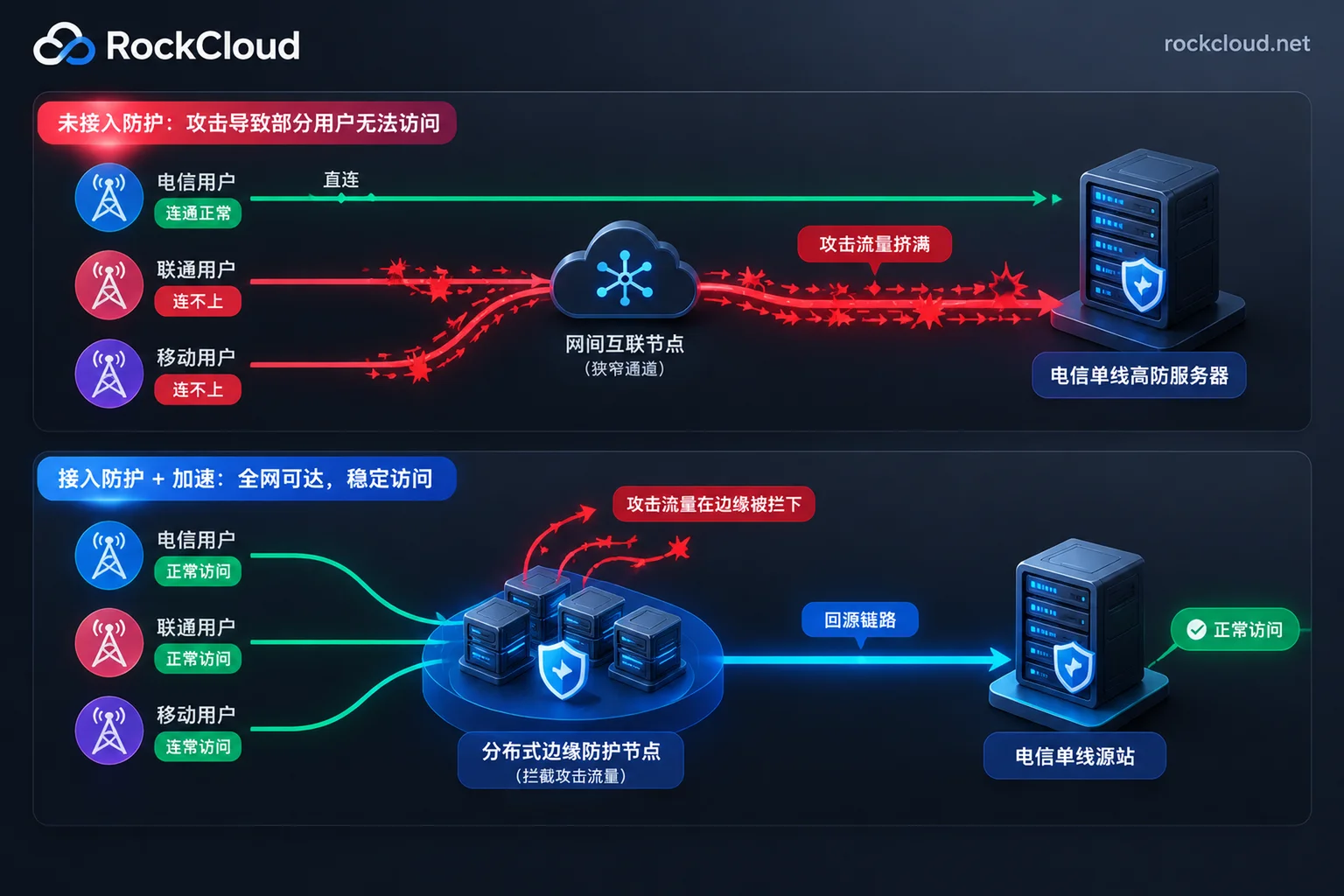
In normal times: cross-network access is slow. There is inter-network settlement between domestic carriers, and interconnection bandwidth is limited. When a Mobile or Unicom user accesses a Telecom single-line server, traffic must detour through internet exchange nodes, so latency and packet loss rise noticeably, often worse during peak evening hours.
During attacks: cross-network users go down first. Attack traffic often comes from various carriers. Large cross-network traffic will first press on the already strained interconnection links; once that link is saturated, off-network users cannot connect even if the data center's scrubbing is working and on-network users are fine. In practice: the provider says scrubbing is normal, but your support team receives many "can't open it" reports, concentrated among users of one or two carriers.
During failures: no escape route. If this carrier's backbone link fails or the egress is congested, the service goes down directly, with no alternative line to switch to.
When Single-Line Is Good Enough
Single-line high-defense isn't unbuyable; the key is where it's used:
- Users concentrated on the same carrier and in the same region. For example, a business mainly serving provincial Telecom broadband users, where off-network users are a small share, so the single-line weakness has limited impact.
- Used only as an origin, not directly facing users. A high-defense CDN or game shield already handles user traffic in front, and the single-line server only handles origin pull.
- Internal systems, test environments, and background tasks insensitive to latency.
Conversely, for websites and APIs serving nationwide users, games and live streaming sensitive to latency and packet loss, and payment businesses that lose orders if down for a moment, exposing single-line high-defense directly to users usually carries more risk than the money saved. Overseas businesses need to look at overseas lines separately, which isn't discussed here.
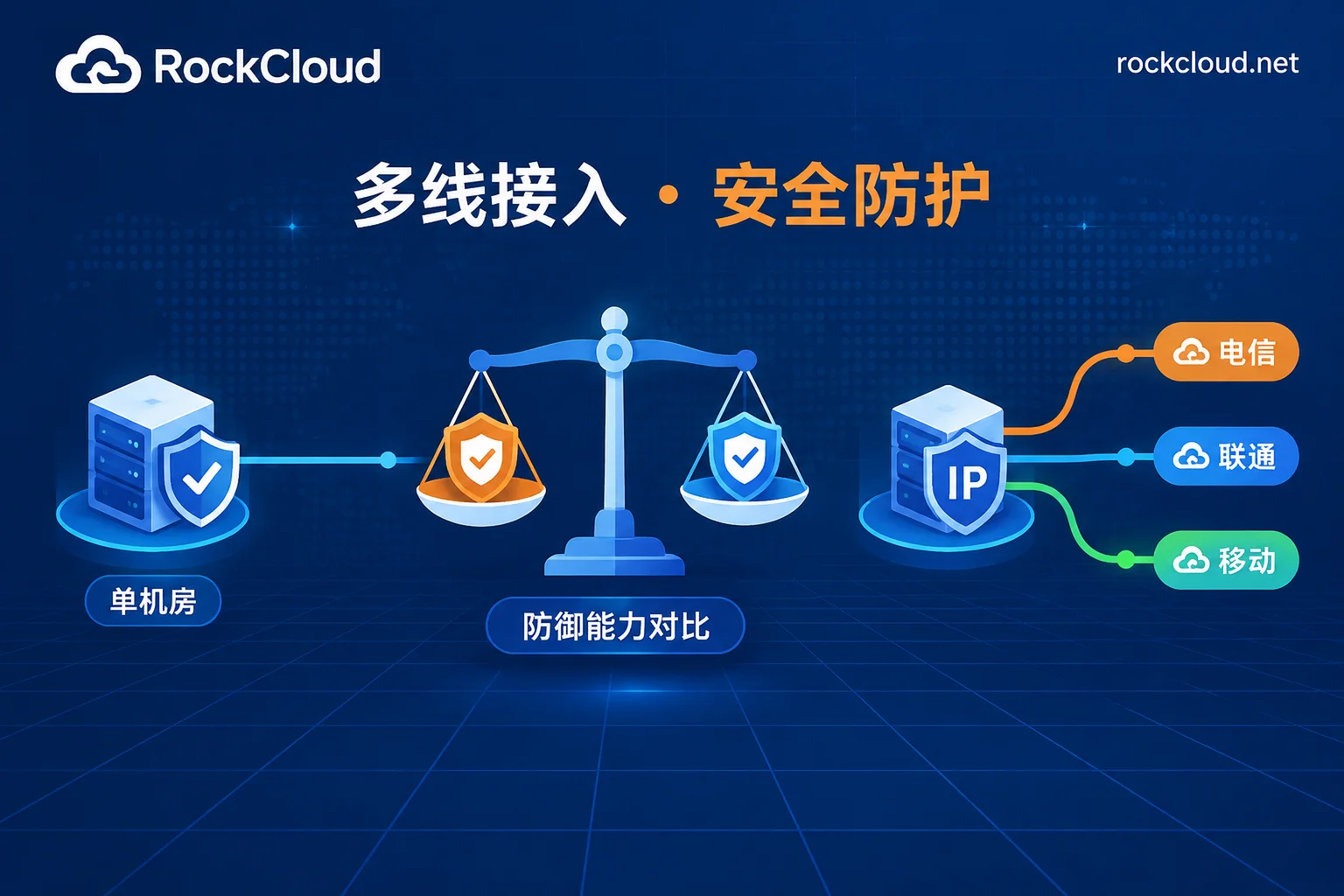
To see the specific differences between the two types of lines under attack, refer to Which Has Stronger Defense, BGP High-Defense or Single-Line High-Defense.
How to Verify Before Ordering
When hesitating between low-priced single-line high-defense and a plan several times more expensive, do these things first:
- Ask clearly about line ownership. Which carrier, which province's node, and whether the IP ownership matches what is claimed.
- Test all three networks separately. Find Telecom, Unicom, and Mobile networks respectively, run ping and mtr during peak evening hours, and check both outbound and return paths. Good data measured only on the on-network carrier doesn't represent all your users.
- Ask how cross-network is handled during attacks. Ask the provider directly: during an attack, how is access for cross-network users guaranteed? What happens after the defense value is exceeded—will it be blackholed directly?
- Compare with your own user distribution. Check the share of users from each carrier in access logs or analytics tools; the higher the share of off-network users, the greater the real cost of single-line.
Limited Budget but Need to Serve Three-Network Users: Put Protection at the Front End
Buying BGP high-defense servers across the board is expensive. A more common approach is to separate the server from protection: keep the origin on a low-cost server—single-line is fine—and put a distributed protection network in front, where edge nodes absorb three-network users and attack traffic nearby, then pull from origin after scrubbing. This way cross-network issues are handled by edge nodes, and the origin only handles one origin-pull link.
This architecture requires attention to three points:
- Choose the front end by protocol. Websites and HTTP APIs use high-defense CDN; game businesses with TCP/UDP or proprietary protocols are better suited to a game shield or layer-4 proxy. If unsure, first read Can Non-Website Businesses Use High-Defense CDN?.
- The origin IP must be locked down. As long as the origin IP is exposed, attackers can bypass the front end and hit your single-line server directly, making the front-end protection useless. For locking methods, see Will the Origin IP Still Be Exposed After High-Defense CDN Access?.
- Test the origin-pull link. Confirm the latency and stability of edge nodes returning to the carrier where the origin resides; slow origin pull will also slow down all users.
If your users are spread across three networks and you want to control budget, you can evaluate RockCloud along these lines: acceleration and protection are completed on the same link, with only one fee and no separate defense purchase; billing is by fixed peak with unlimited traffic; the game shield supports TCP/UDP and proprietary protocol encapsulation and hides the origin. For Web and API businesses, start with DDoS Protection and High-Defense CDN. Before deciding, we suggest using Plans and Free Trials to run a real test with actual access from your three-network users. For how the costs of the two plans are calculated, refer to Which Is Cheaper, High-Defense IP or High-Defense CDN?.


Comments(0)