RockCloud-基石云安全-官方博客
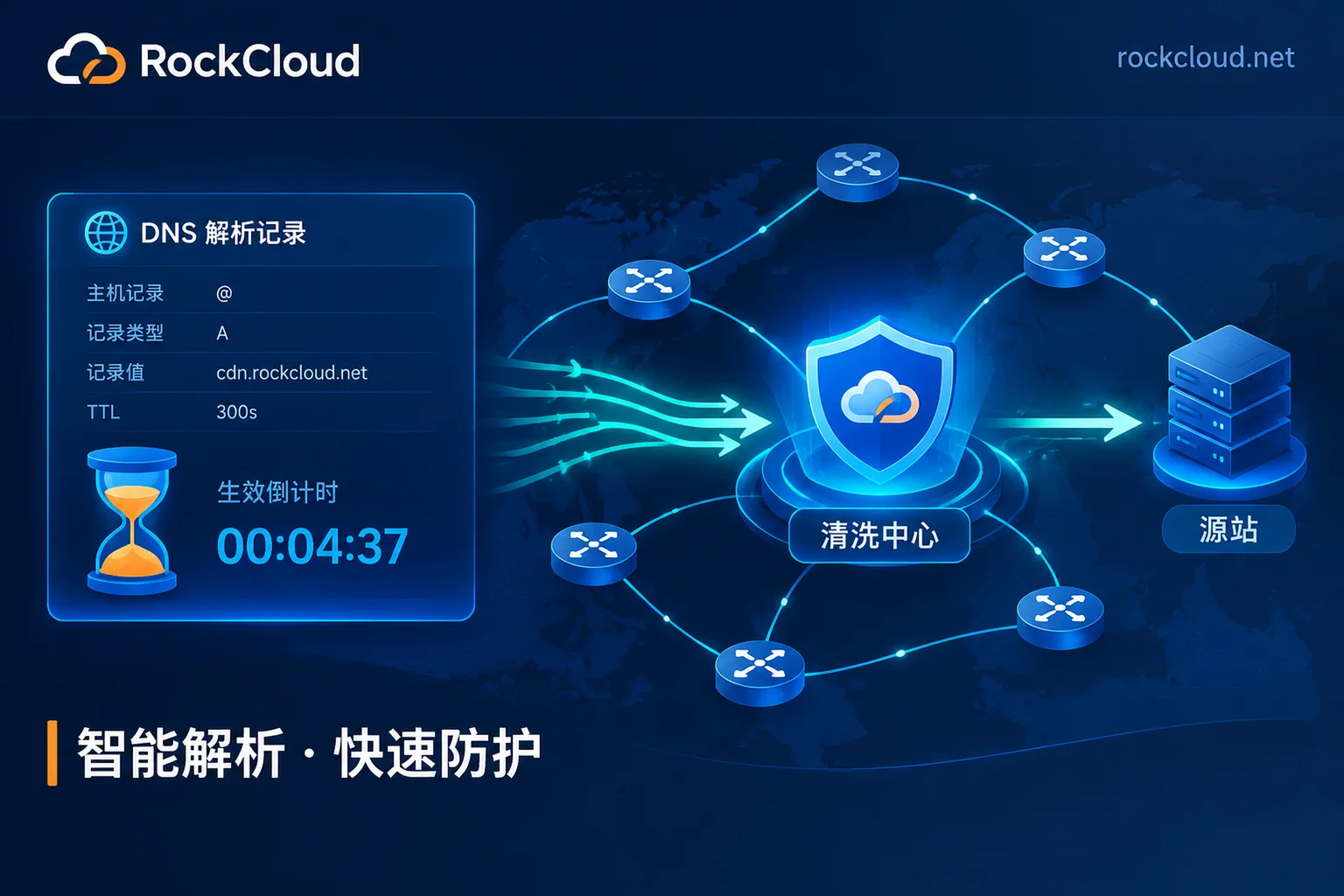
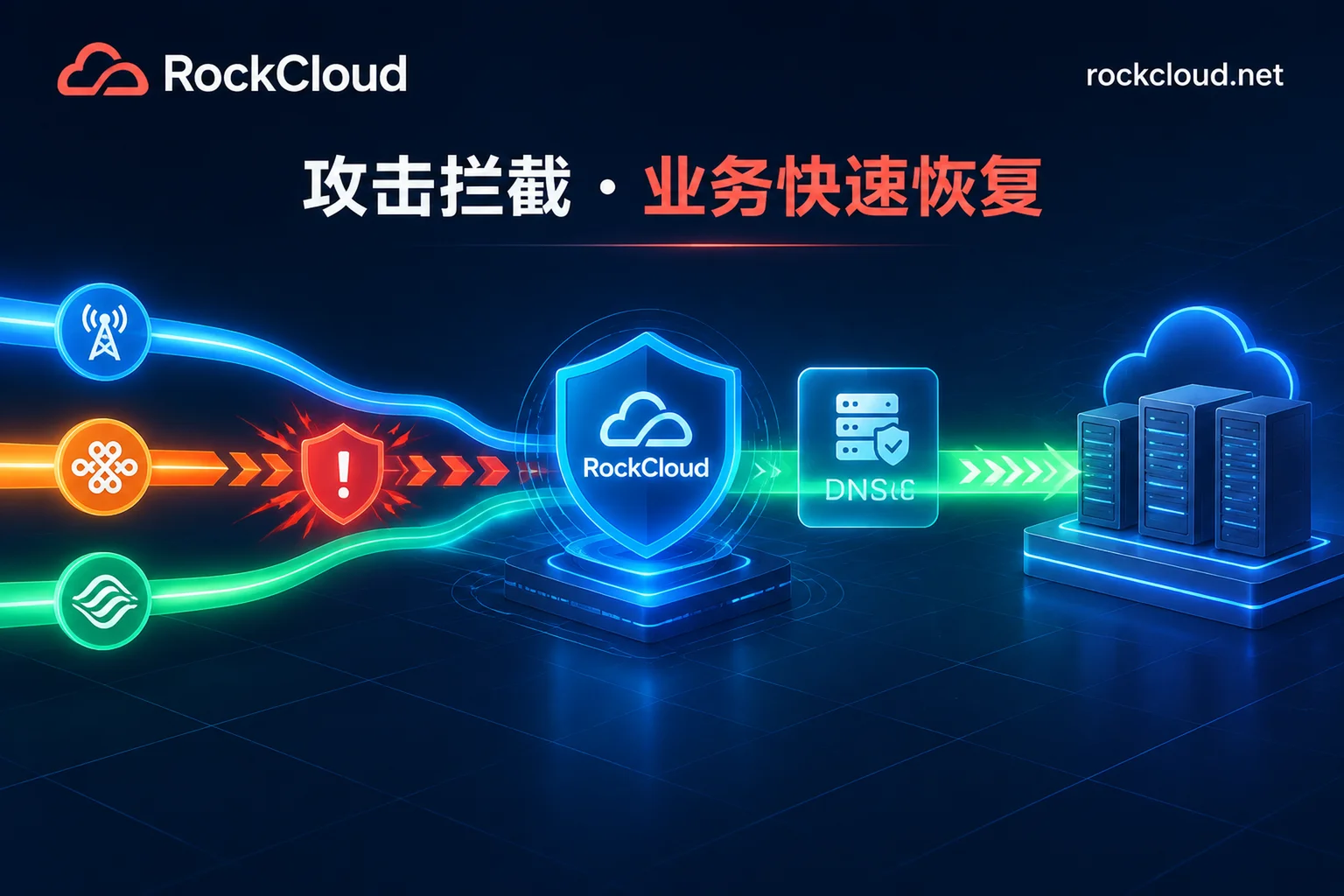
How Long Does a High-Defense Line Switch Take Effect: DNS Changes Take Minutes to Hours, BGP Steering Takes Seconds, and Always-On Access Requires No
The time it takes for a high-defense switch to take effect depends on how traffic is steered to the high-defense network. DNS changes are affected by TTL and local LocalDNS caches, typically taking a few minutes to tens of minutes, and in some cases hours. BGP route steering generally takes a few seconds to 60 seconds. When the business is already on the high-defense link, adjusting policies only takes seconds. This article covers two scenarios—planned cutover and active attack—and provides the operational sequence to shorten the wait and methods to confirm whether the switch has taken effect.

Why Single-Line High-Defense Is Much Cheaper: What You Save on Multi-Line Bandwidth and Cross-Network Redundancy, and Who Pays the Price
Single-line high-defense is cheap mainly because it buys bandwidth from one carrier and skips BGP multi-line routing and redundancy; the savings become cross-network latency for off-network users, who may even be unable to connect during attacks.
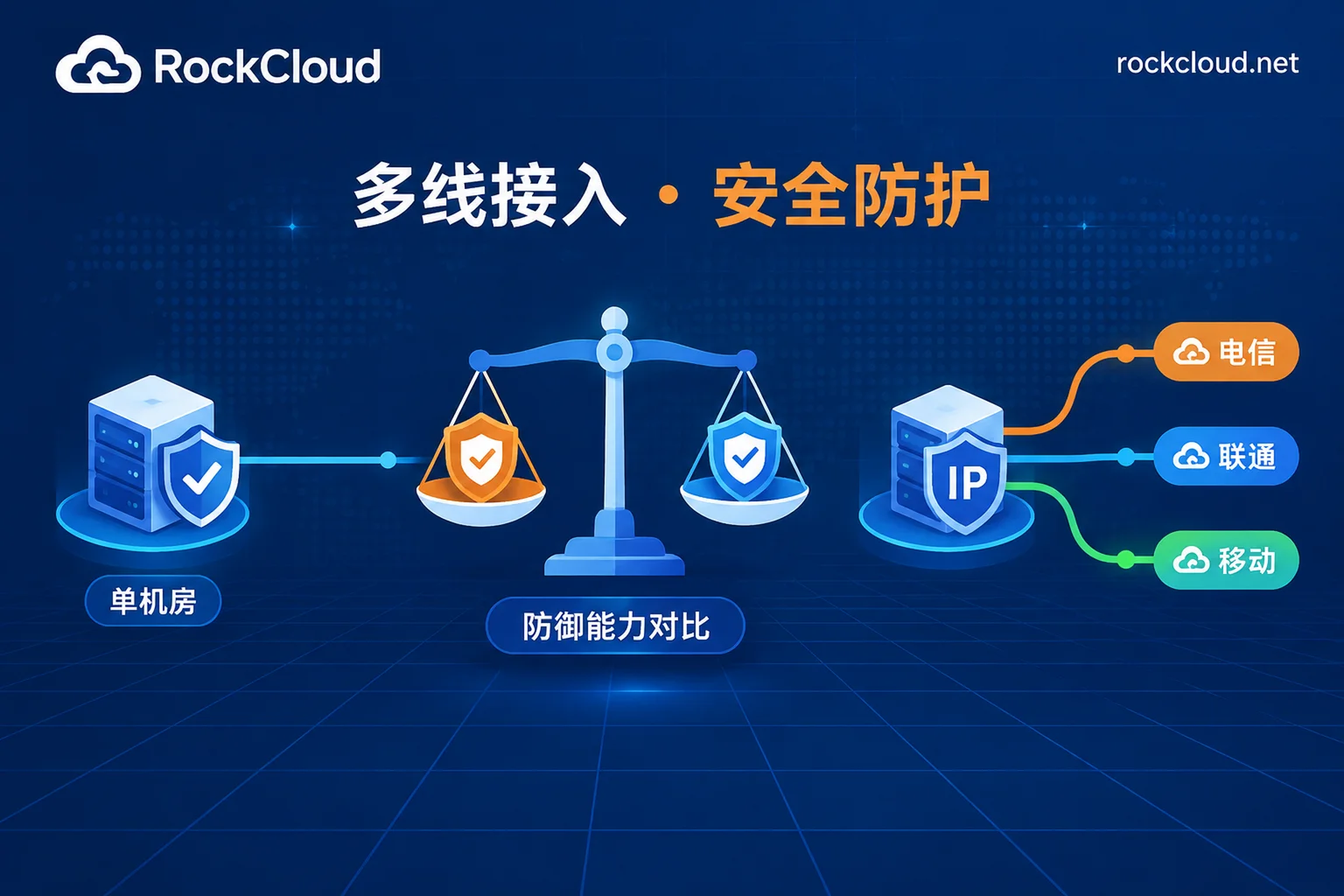
BGP High-Defense vs Single-Line High-Defense: Which Is Stronger — Look at Scrubbing Capacity and Whether Users Can Still Access During an Attack
Paper defense peaks are often higher and cheaper on single-line high-defense, but when users are spread across different carriers, BGP high-defense better preserves nationwide access during an attack. This article breaks down "defense capability" into three criteria, gives business-based selection conclusions, and lists what to ask and test during procurement and testing.

BGP High-Protection vs Single-Line High-Protection: Differences and Selection Guide for Enterprise Quotation Comparison
Understand the key differences between BGP and single-line DDoS protection, focusing on routing control and mitigation authority, with a practical comparison table and selection checklist.