 RockCloud-基石云安全-官方博客
RockCloud Blog
Insights on cloud security, DDoS protection, CDN acceleration and reliable infrastructure.
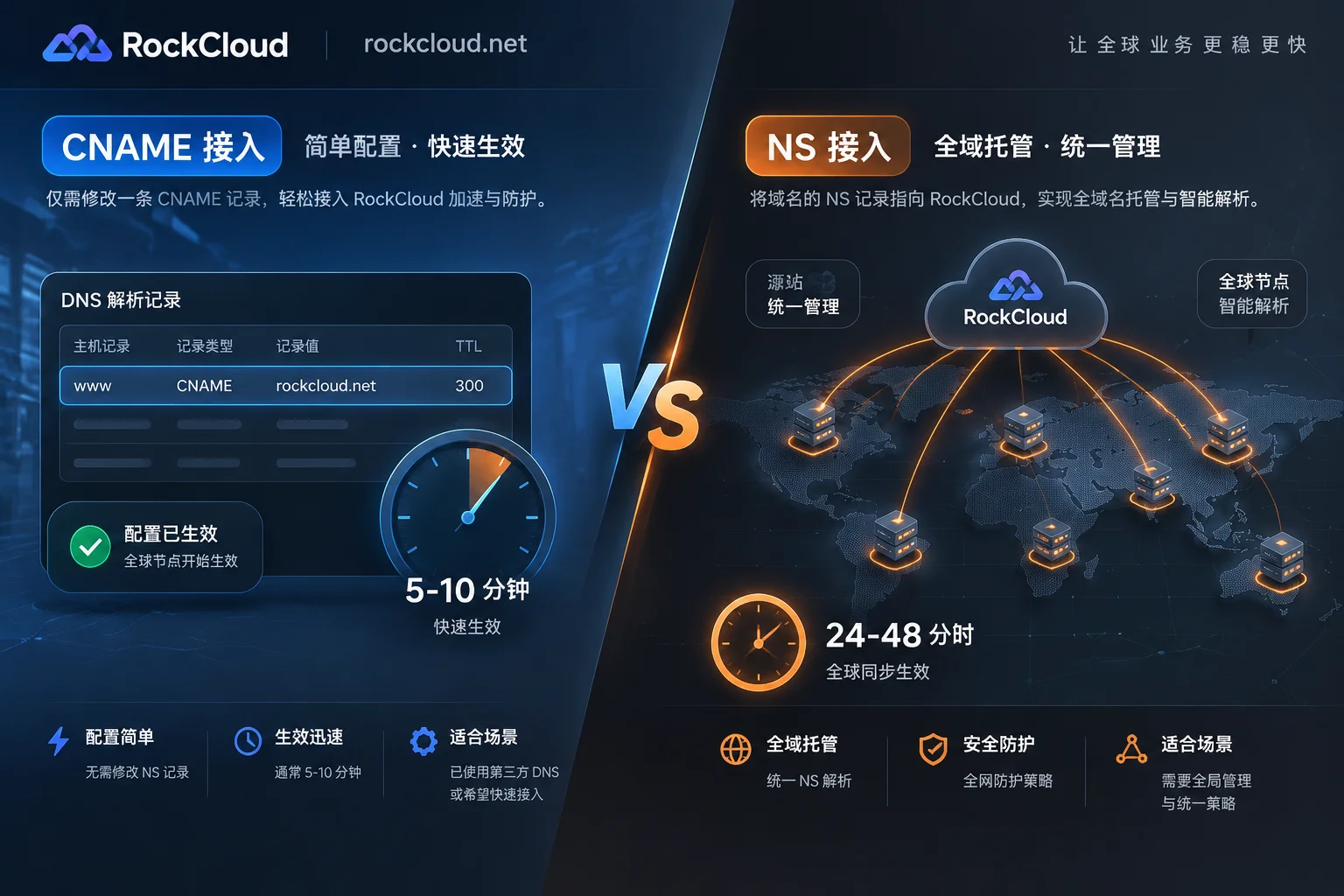
Does High-Defense CDN Require Changing NS: CNAME vs NS Activation Speed, Protection Boundaries, and Selection Criteria
High-defense CDN access does not require changing NS records; CNAME access takes effect in minutes with limited protection scope, while NS access offers full-domain protection including DNS layer but requires hours to 48 hours to propagate globally.
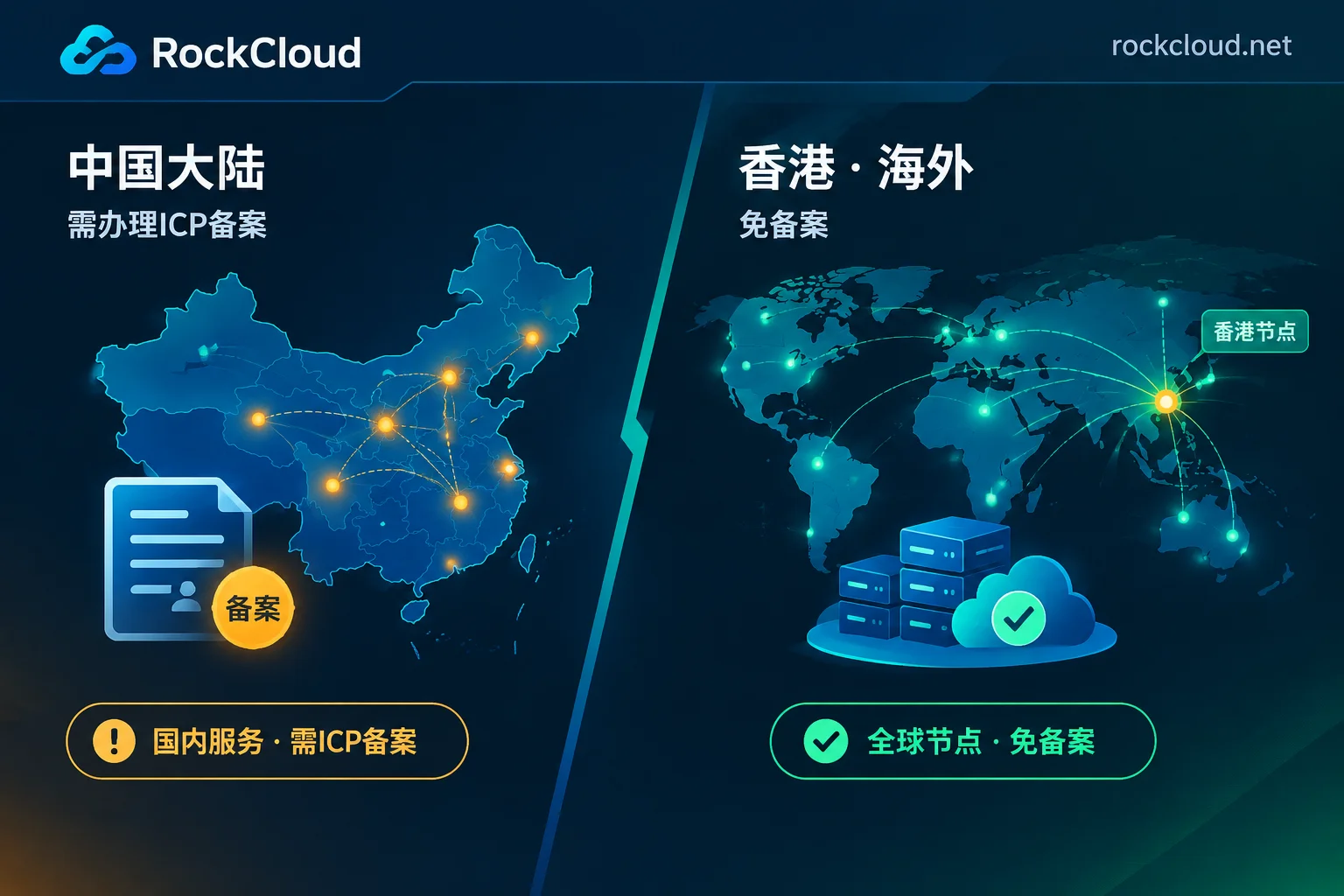
Does High-Defense CDN Require ICP Filing: Node Location Decides, No-Filing Access Solutions for Unregistered Domains
Whether a high-defense CDN requires ICP filing depends entirely on the physical location of its nodes, not on its protection capabilities. Using mainland China nodes requires an MIIT ICP filing, while using Hong Kong or overseas nodes allows access without filing. For unregistered domains or emergency protection, choosing Hong Kong/overseas nodes with CN2 direct connections is standard practice.

Can a CDN Protect a UDP Game Server Under Attack?
Standard web CDNs cannot proxy UDP traffic, and while a few Layer 4 CDNs can reverse-proxy UDP, they suffer from latency sensitivity and plan restrictions. The mainstream choices for UDP game servers under DDoS attack are game shields (SDK encapsulation + hidden origin + millisecond-level scheduling) or Layer 4 high-defense IPs (full-port scrubbing but no protocol encryption), depending on whether the client can integrate an SDK and tolerance for latency.
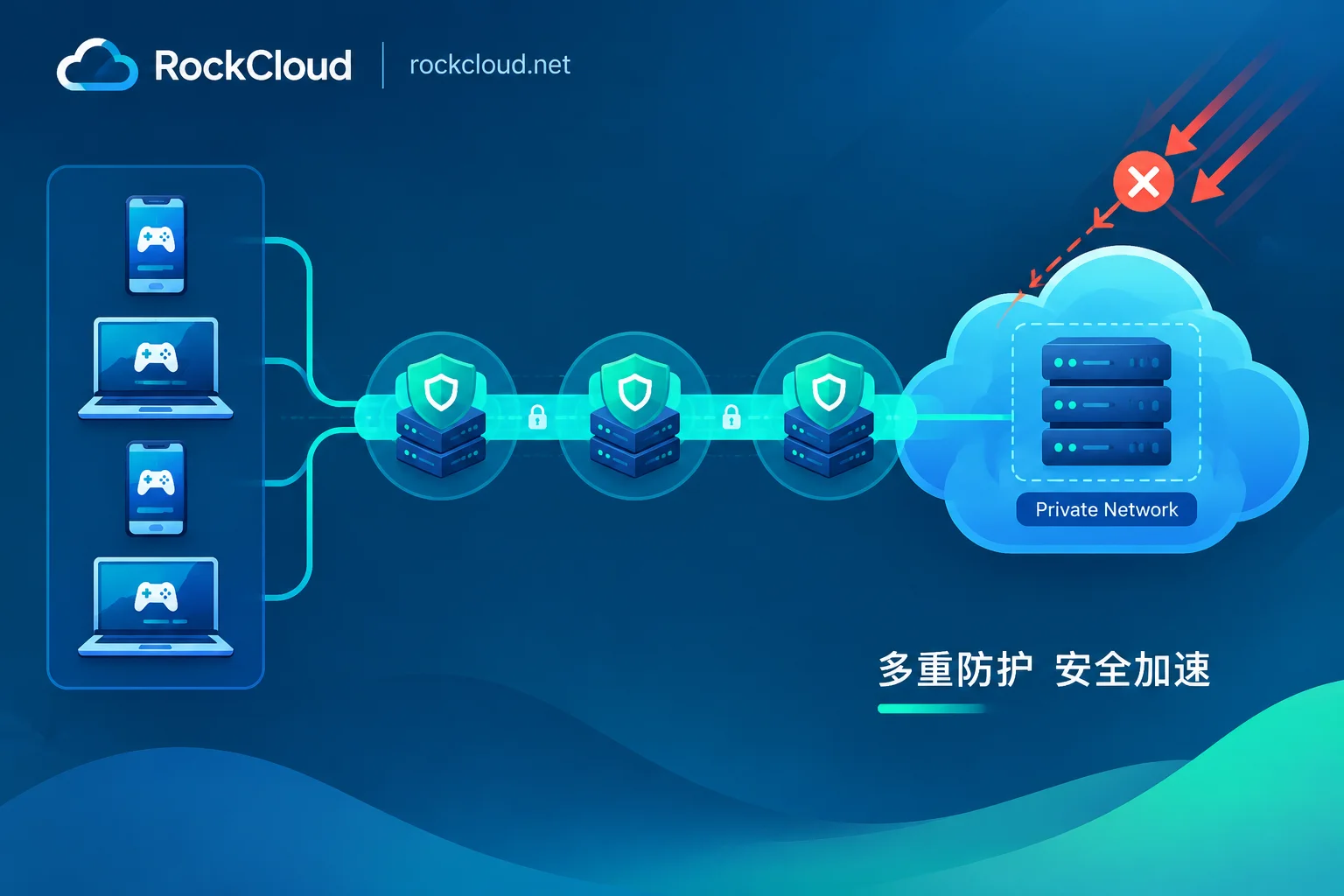
How to Hide Origin IP When a Card Game Server Is Attacked: Contain, Change IP, Encapsulate Access in Three Steps
When the origin IP is exposed, attacks bypass perimeter defenses and hit the server directly, sometimes leading to ISP blackholing. This article presents an operations-driven sequence: first contain the breach with security group whitelisting, then close all leak channels such as hardcoded client IPs, DNS history, and outbound callbacks, then change the public IP and move core nodes into a private network, and finally encapsulate access for long connections and web traffic separately through game shield and high-defense reverse proxy, with a mandatory post-change verification checklist.

How to Choose Between Game Shield and High-Defense CDN: 4 Criteria Determine Feasibility and Defense Depth
The choice between Game Shield and High-Defense CDN depends on business protocol layer, client form, defense depth requirements, and origin exposure risk.
