 RockCloud-基石云安全-官方博客
只是一个默认分类
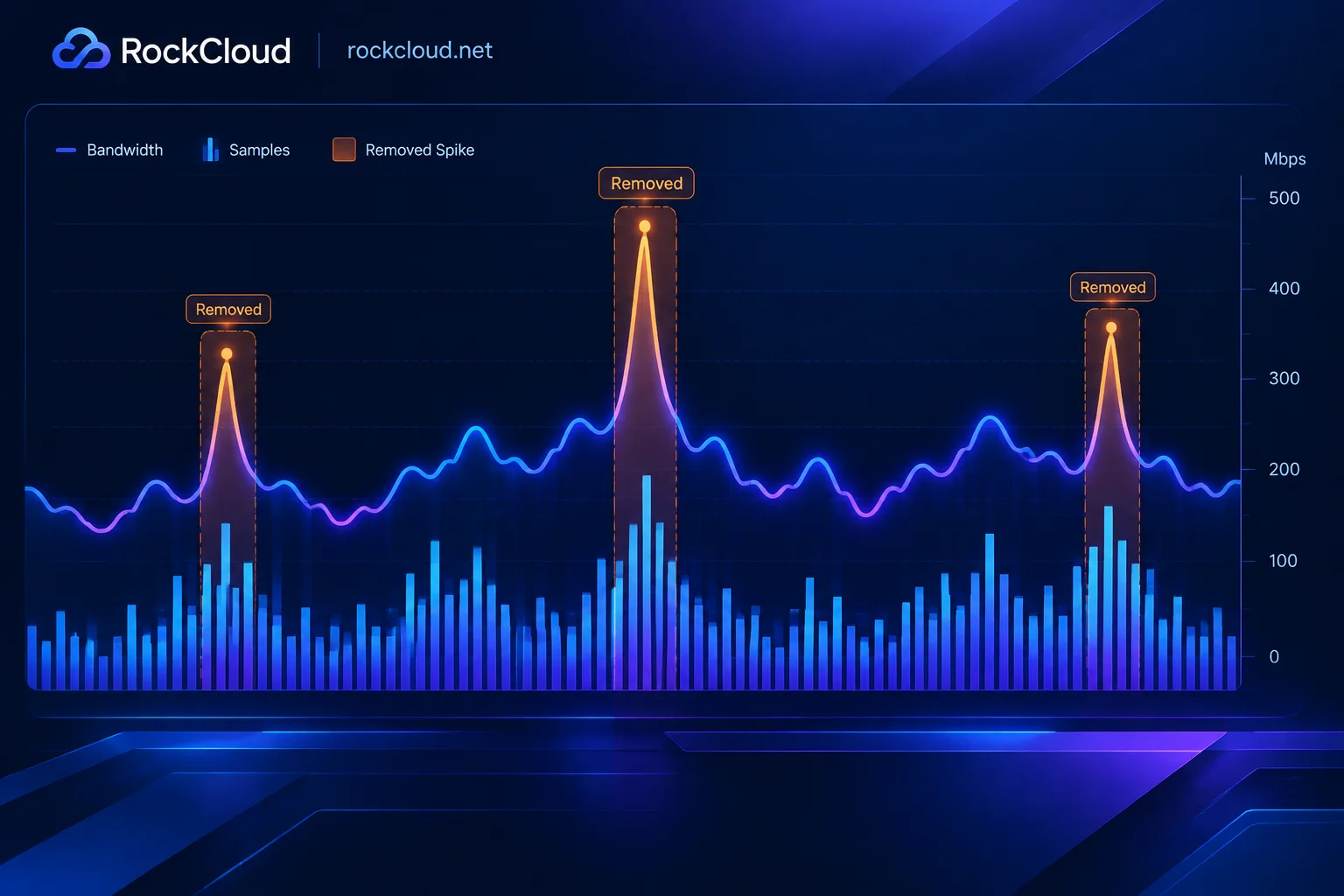
How Peak-Based Billing Works for High-Defense CDN: Three Algorithms from 5-Minute Sampling Points to Monthly 95th and Fixed Peak
Peak-based billing measures bandwidth, not traffic volume. This article explains how 5-minute sampling points are generated, the formulas and differences of four algorithms (daily peak, monthly 95th percentile, daily peak averaged monthly, and fixed peak monthly subscription), how to back-calculate the Mbps you need from existing traffic, and the overage handling, statistical scope, and protocol overhead issues you must clarify before signing a contract.
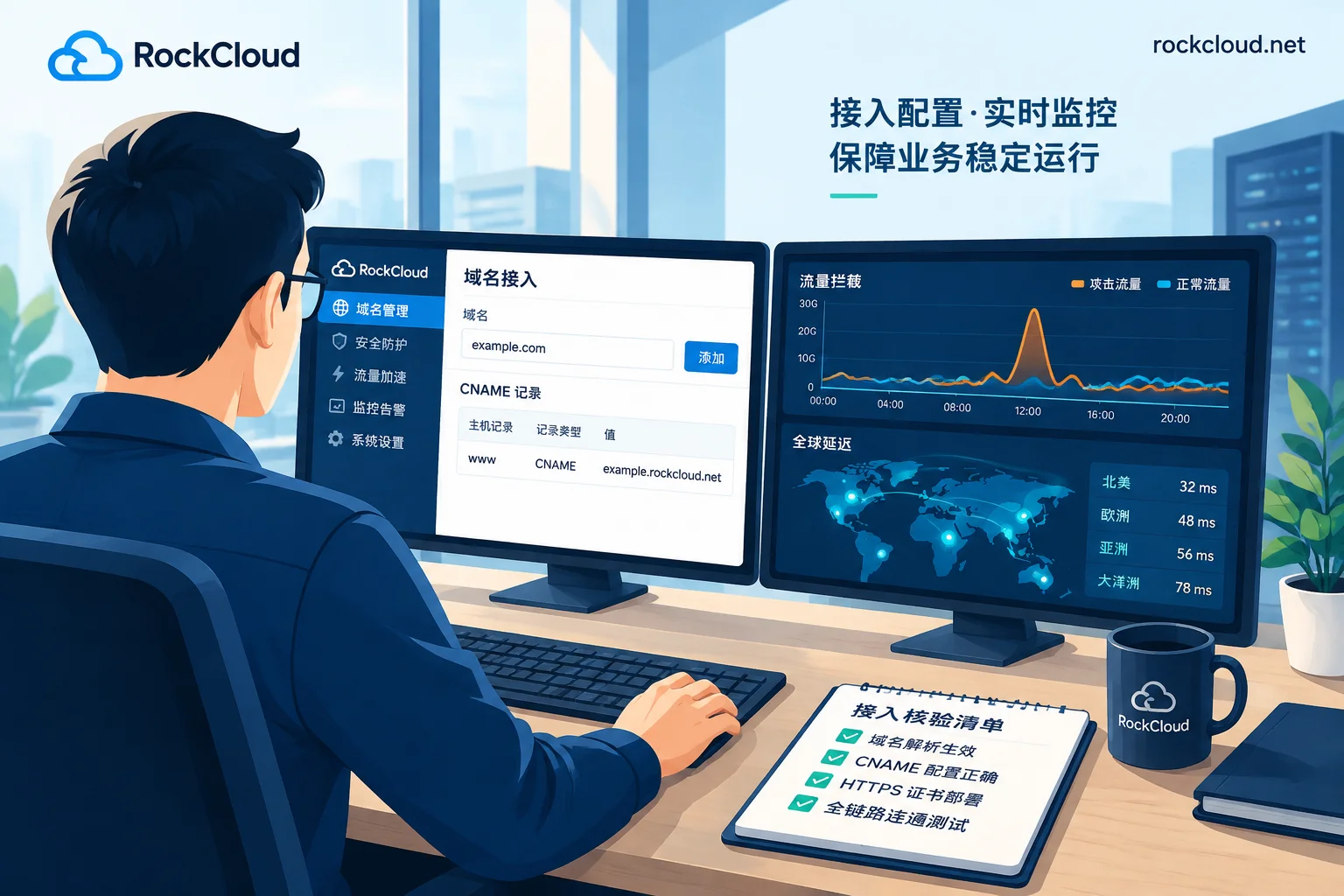
How to Apply for a Free Trial of a High-Defense CDN: Materials, Onboarding Sequence, and Verification Points During the Trial Period
Applying for a free trial of a high-defense CDN: the real work lies in clearly describing your business, onboarding in the correct sequence, and verifying the right metrics during the trial window.
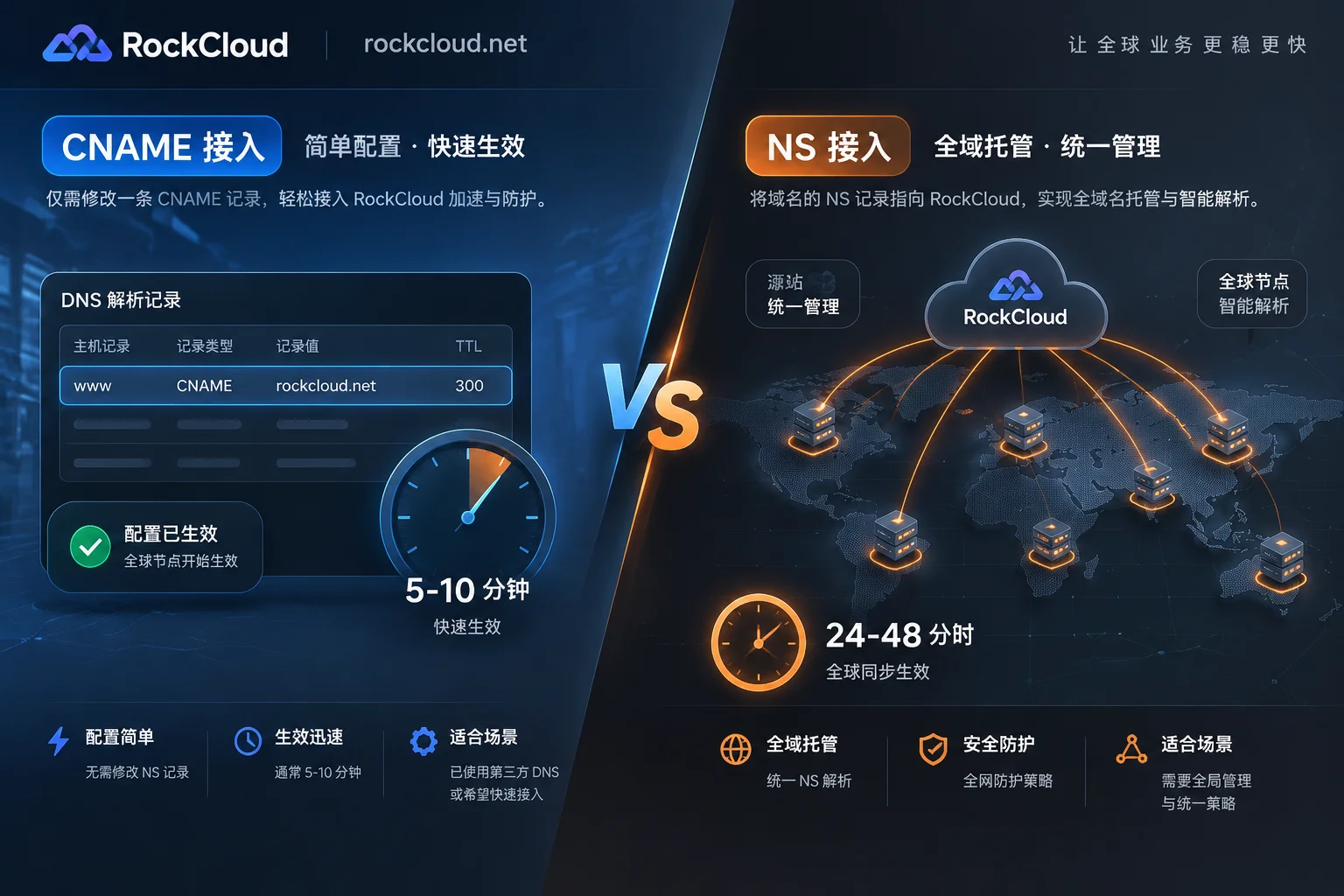
Does High-Defense CDN Require Changing NS: CNAME vs NS Activation Speed, Protection Boundaries, and Selection Criteria
High-defense CDN access does not require changing NS records; CNAME access takes effect in minutes with limited protection scope, while NS access offers full-domain protection including DNS layer but requires hours to 48 hours to propagate globally.
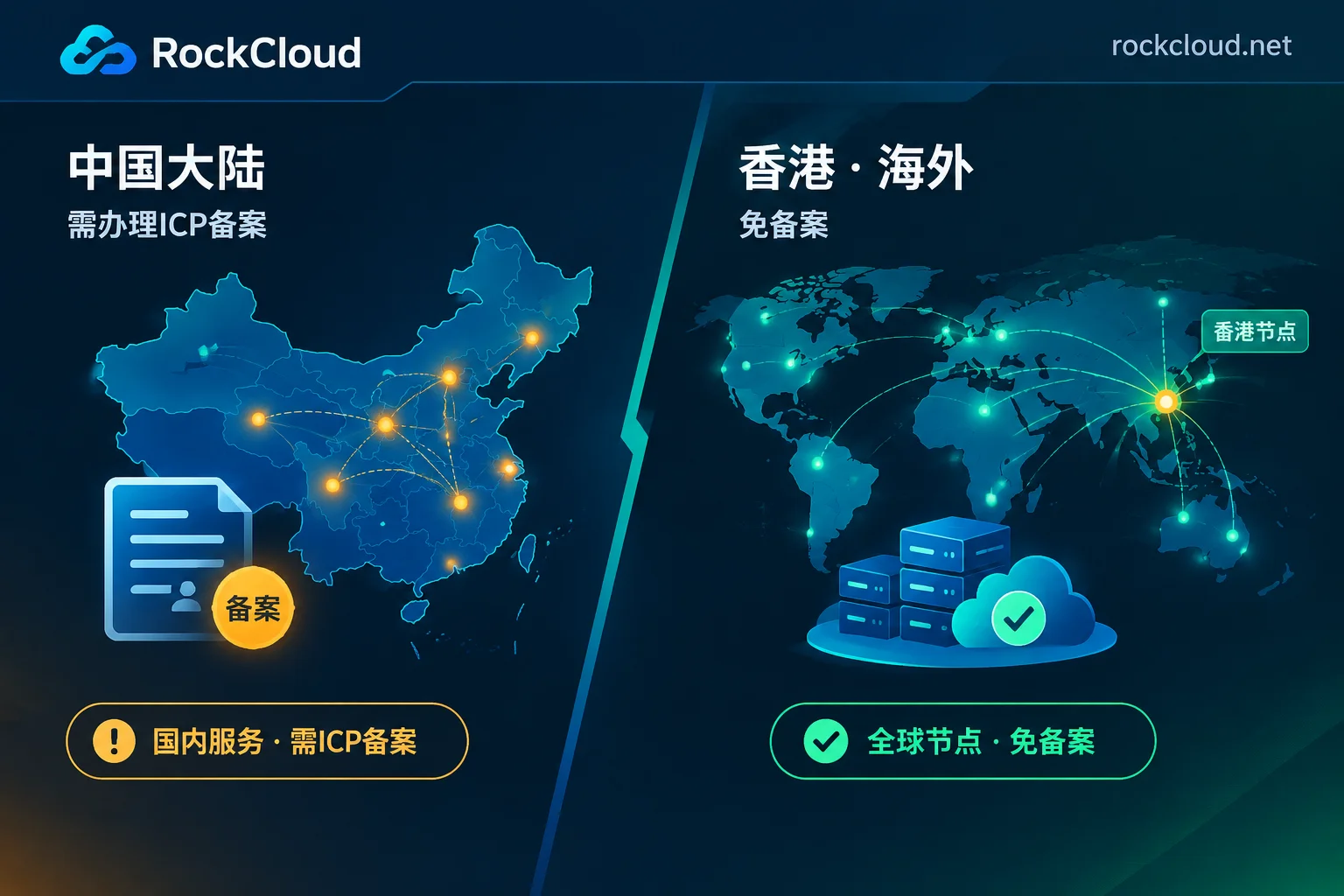
Does High-Defense CDN Require ICP Filing: Node Location Decides, No-Filing Access Solutions for Unregistered Domains
Whether a high-defense CDN requires ICP filing depends entirely on the physical location of its nodes, not on its protection capabilities. Using mainland China nodes requires an MIIT ICP filing, while using Hong Kong or overseas nodes allows access without filing. For unregistered domains or emergency protection, choosing Hong Kong/overseas nodes with CN2 direct connections is standard practice.

Can a CDN Protect a UDP Game Server Under Attack?
Standard web CDNs cannot proxy UDP traffic, and while a few Layer 4 CDNs can reverse-proxy UDP, they suffer from latency sensitivity and plan restrictions. The mainstream choices for UDP game servers under DDoS attack are game shields (SDK encapsulation + hidden origin + millisecond-level scheduling) or Layer 4 high-defense IPs (full-port scrubbing but no protocol encryption), depending on whether the client can integrate an SDK and tolerance for latency.
