 RockCloud-基石云安全-官方博客
只是一个默认分类
Choosing CN2 Line Acceleration: Test the Return Path First, Then Compare GT vs GIA
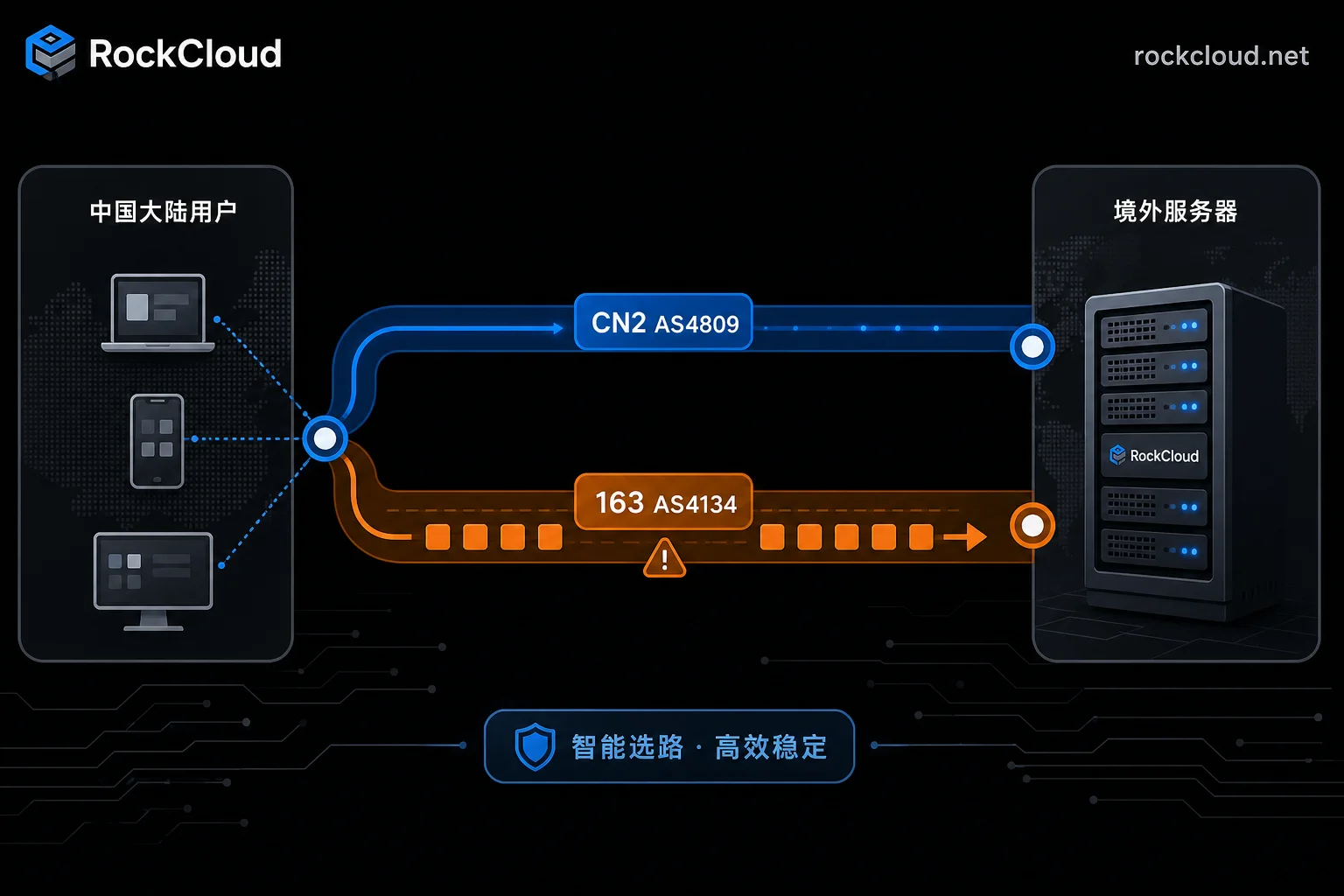
Before choosing a CN2 line, locate the bottleneck and distinguish between GT and GIA via AS numbers and route segments, focusing on testing the return path and cross-carrier performance.

How to Hide Your Origin Server: 5 Defense Layers from Exposure to mTLS Origin Pull
Learn a 5-layer defense strategy to hide your origin server from direct attacks, covering exposure cleanup, DNS resolution lockdown, network whitelisting, mTLS authentication, and edge capacity.

DDoS Attack Log Analysis and Traceback Methods: Layered Forensics and Response When Bandwidth Is Saturated
When a server's bandwidth is saturated or CPU is maxed out, this article provides a layered log-based forensics method to classify the attack type by analyzing inbound traffic characteristics, L4 connection states, and L7 access records, and map them to actionable response actions.

Route Verification and Capacity Boundaries in Global Acceleration Networks for Cross-Border Access Speeds
This article explains the actual mechanisms of global acceleration networks in cross-border scenarios, pointing out that node count is not the only decisive factor. By comparing CDN roles, Anycast routing logic, and the 2026 attack landscape, it provides acceptance criteria for multi-location probing and time-based testing, helping operations and procurement personnel clarify the independent boundaries between link optimization and traffic cleansing.

How to Choose a US CN2 Server? Determining Return Routing and Peak-Hour Packet Loss
The key to choosing a US CN2 server is verifying that the return path uses 59.43 nodes end-to-end. This article explains MTR tracing, latency floor calibration, and business scenarios to avoid GT disguising as GIA and distinguish link acceleration from DDoS protection.