RockCloud-基石云安全-官方博客

How to Protect Game Servers from DDoS During New Game Launches and Major Promotions: A Defense Guide Against Pulse Floods and Simulated Player Connect
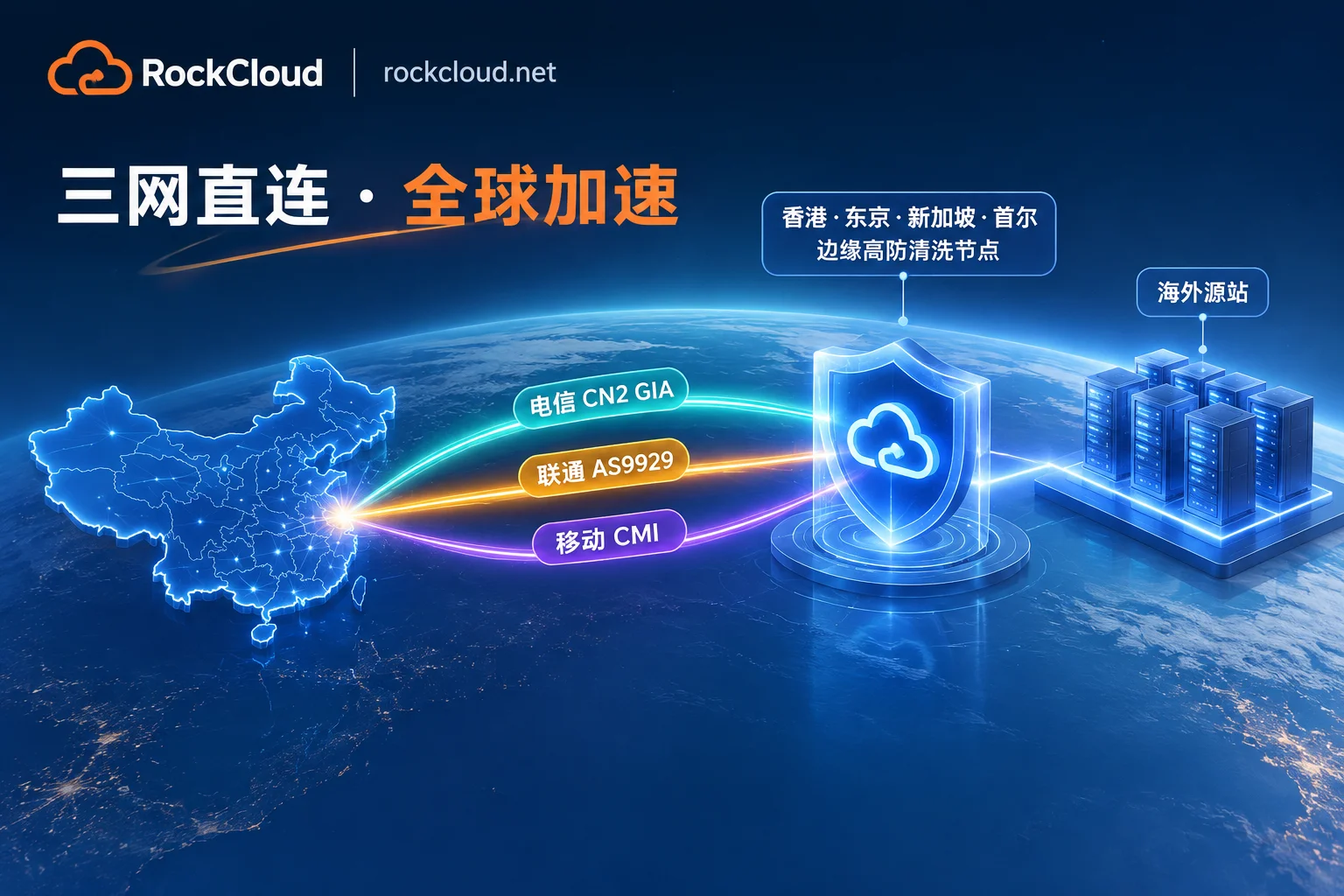
In light of recent DDoS attacks on multiple new game launches that caused login failures and disconnections, this article analyzes three new threats facing the gaming industry—second-level pulse floods, simulated real-player protocol connections, and subnet carpet bombing—and provides a practical architecture using game shield combined with high-defense CDN for full-link protection with unlimited traffic.
How BGP Anycast Scrubbing Works: Traffic Steering, Layered Filtering, and Origin Injection
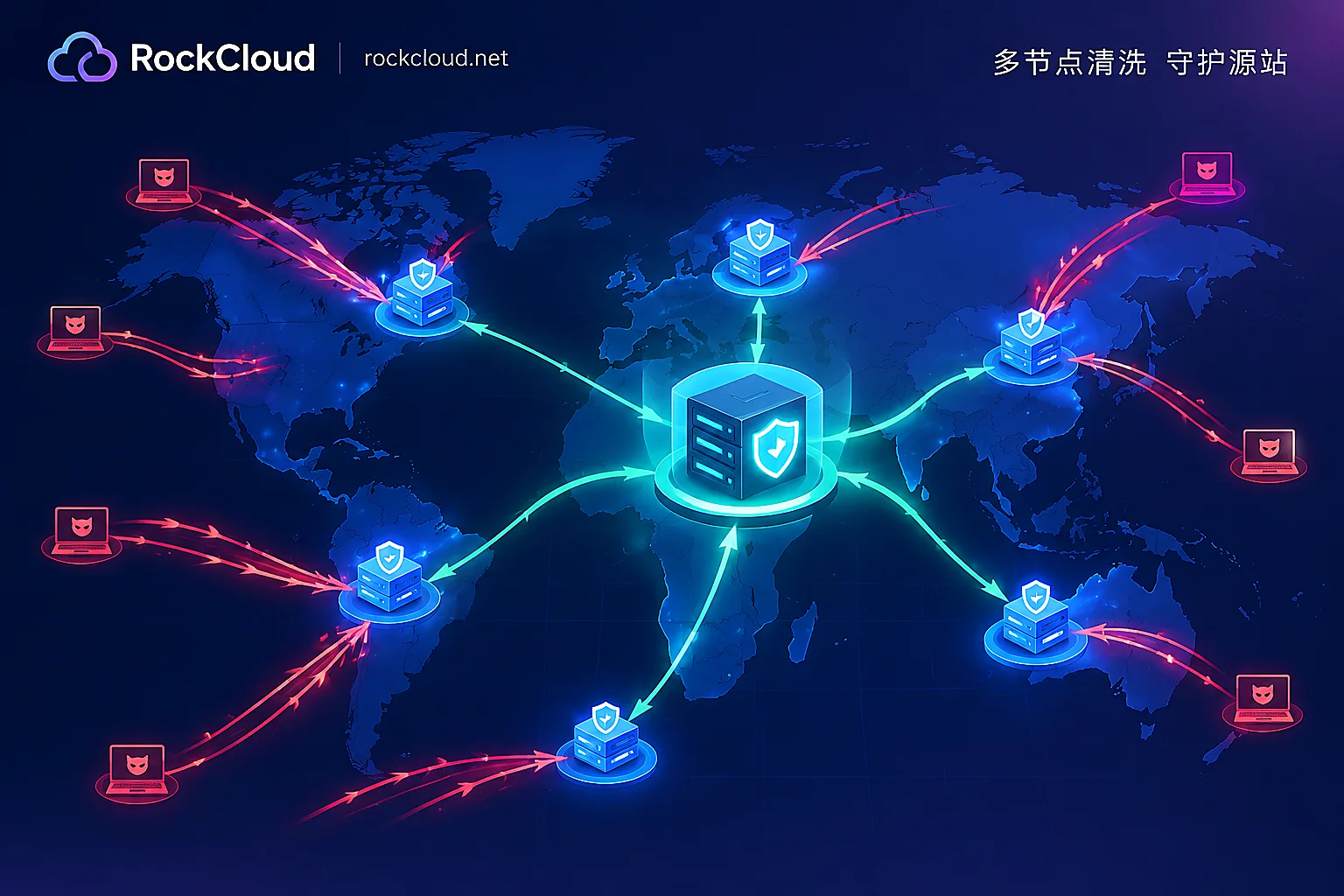
BGP Anycast scrubbing works in three steps: multiple scrubbing nodes announce the same IP range, pulling traffic and attacks to the nearest nodes; each node filters at layers 3/4 and 7; clean traffic is then sent back to the origin via reverse proxy or tunnel.
How Much Traffic Can BGP High-Defense Mitigate: What Determines the Limit, What Happens When Exceeded, and How Much to Buy
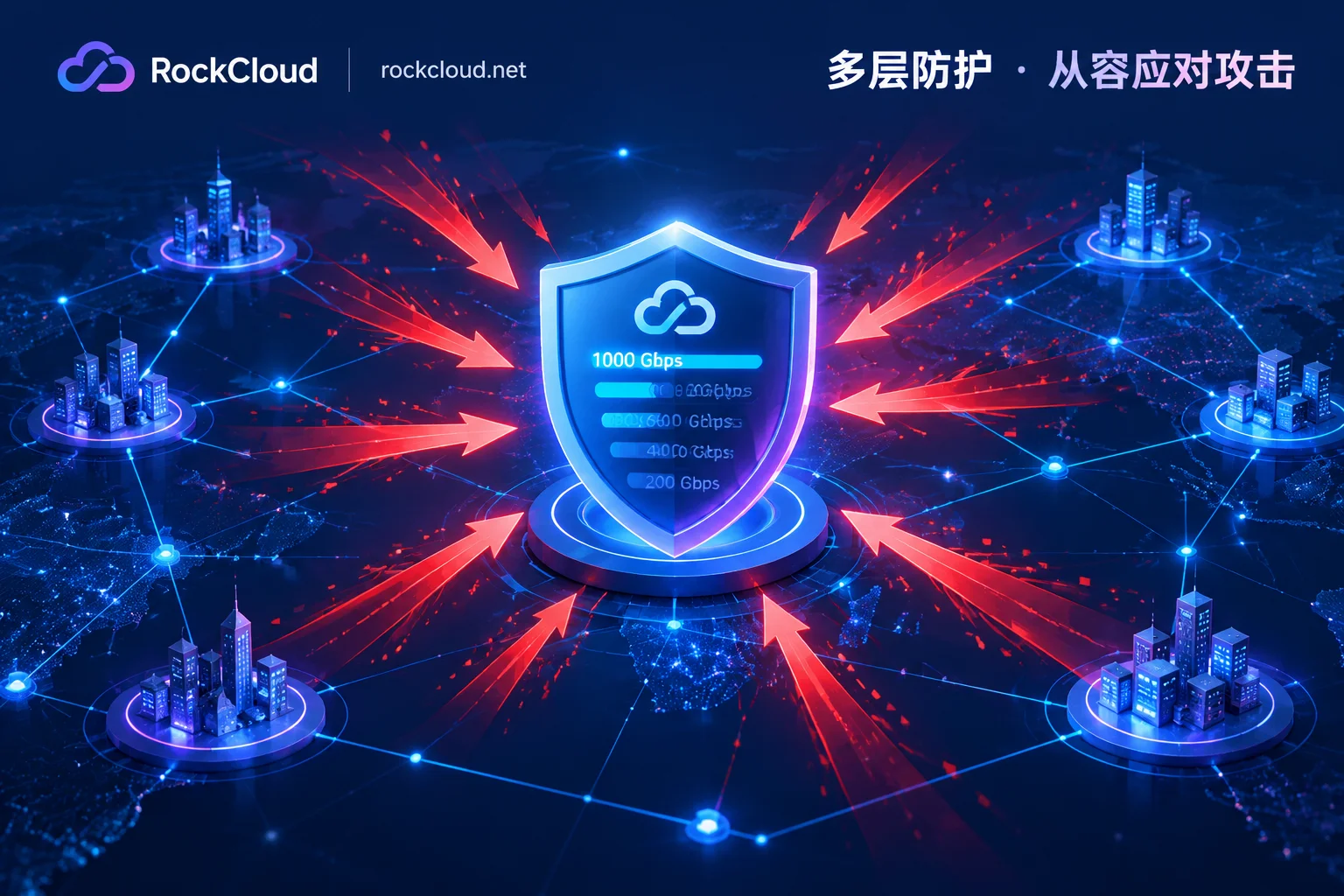
The mitigation capacity of BGP high-defense has no universal number: a single node typically handles tens to hundreds of Gbps, while Anycast distributed architectures can reach several Tbps across the network. What truly determines how much you can withstand are node bandwidth, scrubbing device processing power, and the committed and elastic specifications in your contract; exceeding the limit results in IP blackholing. This article provides steps to estimate mitigation specifications and questions to ask during procurement.

Do You Need High-Protection for Hong Kong Servers? Assess Attack Risk First, Then Choose Your Defense Architecture Based on Business Protocol
Most Hong Kong servers don't need high-protection models directly. This article explains the blackhole risk after an attack on a regular Hong Kong server, then provides more cost-effective and resilient defense architectures for websites/APIs, games and private protocols, and legacy systems, along with conditions to confirm before deployment.
High-Defense IP: Change DNS or Change Ports? Understanding the Change Points and Onboarding Order by Business Type
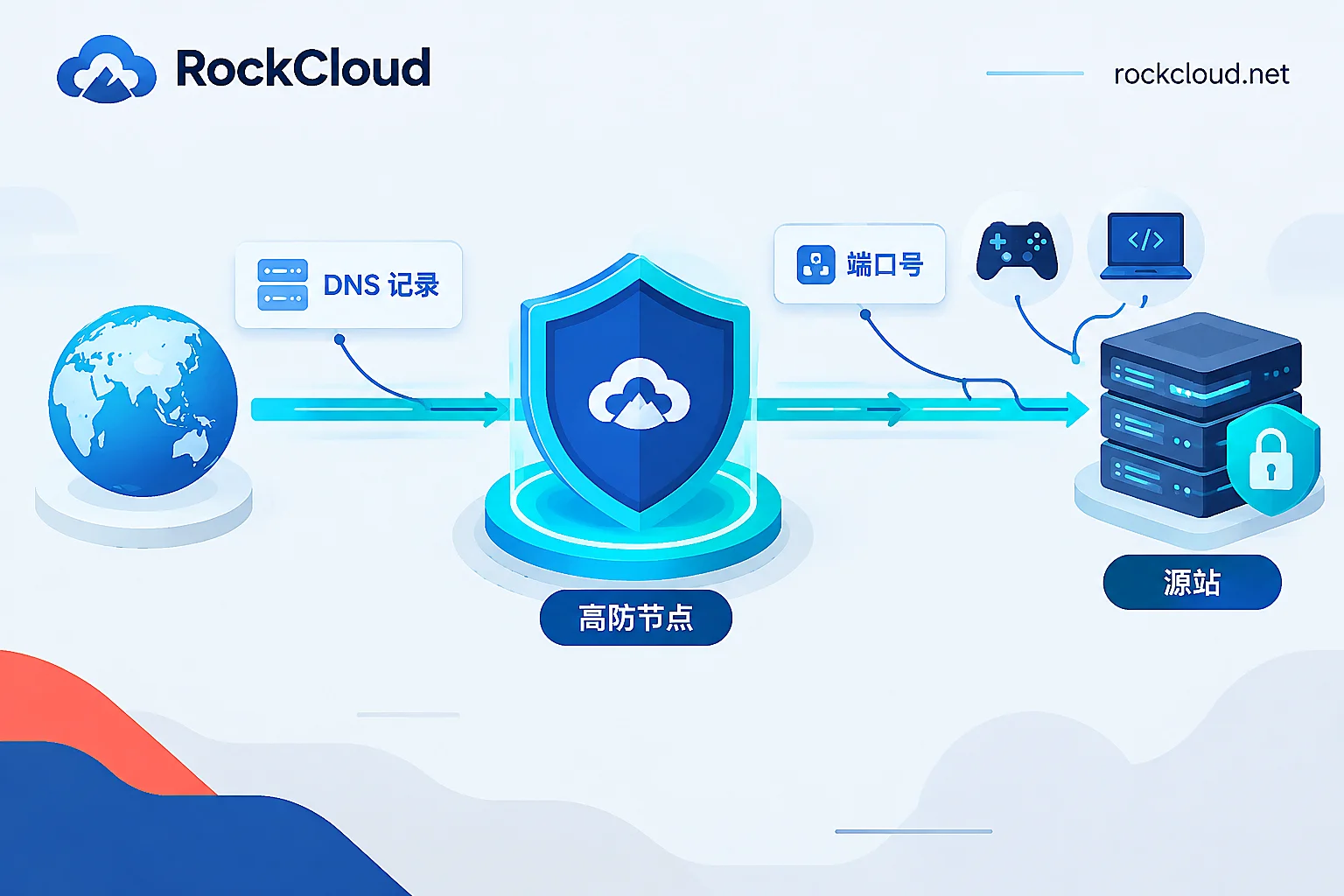
When onboarding a high-defense IP, you usually change the user access entry point rather than the origin server's listening port: website businesses change DNS, while TCP/UDP businesses configure forwarding rules and then replace the client connection address.