 RockCloud-基石云安全-官方博客
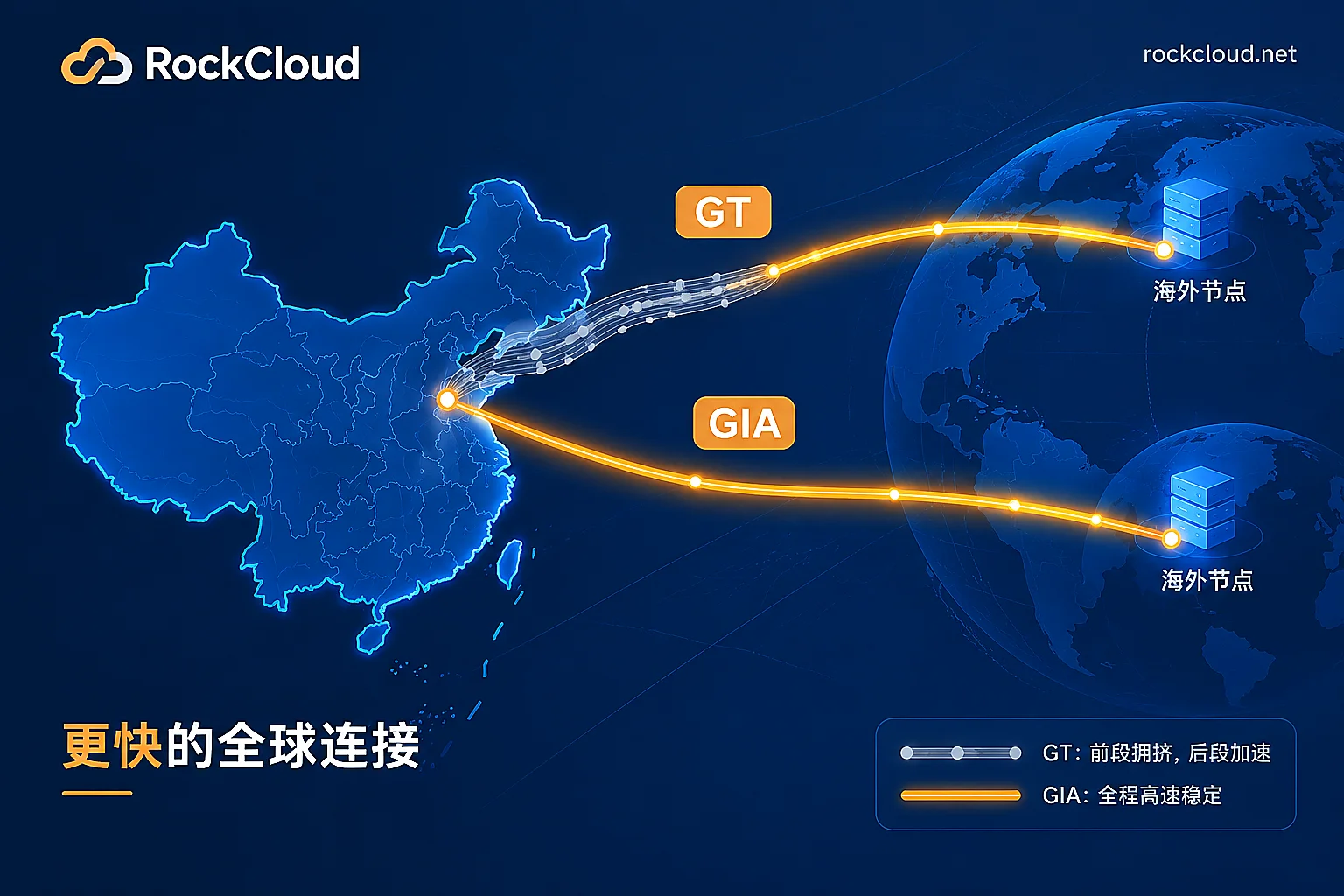
Conclusion first: the difference lies in which network the domestic segment uses. CN2 GT uses China Telecom's regular backbone network 163 domestically and only switches to CN2 at the international gateway. CN2 GIA enters CN2 from provincial nodes and stays on CN2 all the way to the international gateway. Therefore, during peak hours, GT is affected by 163 congestion, while GIA is generally more stable but significantly more expensive and has fewer available bandwidth resources.
When choosing, don't just look at the words "CN2" written by the provider. Test the return route yourself, and test again during peak hours.
Two Networks: 163 and CN2
China Telecom has two networks relevant to this matter:
- 163 Backbone Network (ChinaNet, AS4134): Route node IPs mostly start with 202.97. Most ordinary domestic user traffic and outbound traffic use this network.
- CN2 Network (China Telecom Next Carrier Network, AS4809): Route node IPs mostly start with 59.43. This is China Telecom's high-grade carrier network, mainly used for government and enterprise dedicated lines and high-priority overseas interconnection services.
Both GT and GIA are called CN2; the difference lies in which segment of CN2 each uses.
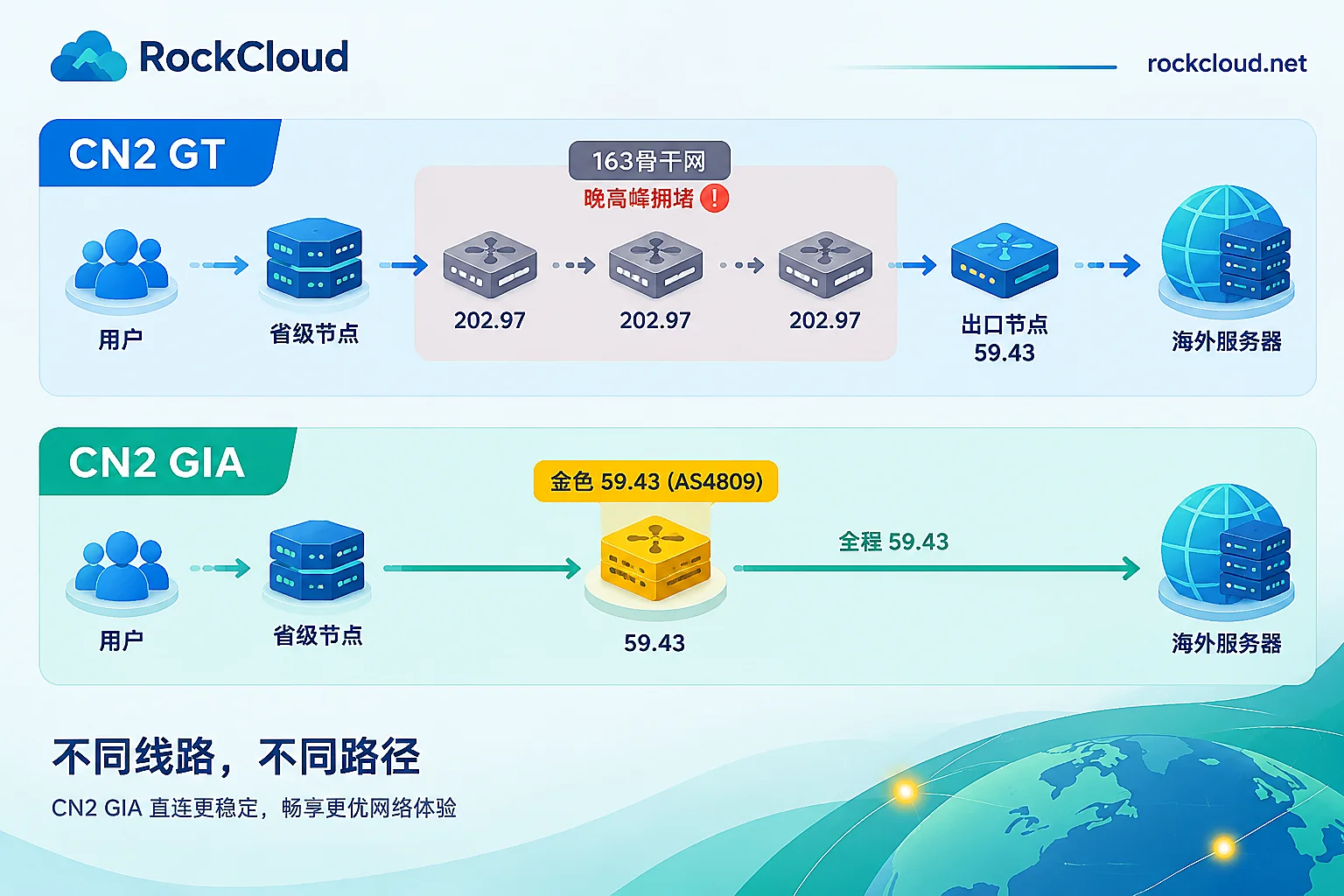
| Dimension | CN2 GT | CN2 GIA |
|---|---|---|
| Domestic segment | Uses 163 backbone (202.97) | Connects to AS4809 (59.43) from provincial nodes |
| Outbound segment | Switches to 59.43 at international exit | 59.43 throughout |
| Peak hours | Shares congested segments with 163, packet loss and latency increase | Light channel load, high QoS priority, usually less jitter |
| Three-network coverage | Usually optimized only for China Telecom users | Good solutions optimize return routes for China Unicom and China Mobile |
| Cost | Lower | Unit price per Mbps is usually several times that of GT |
Identify Which Type You Get via Route Tracing
The wording on provider pages may not be reliable; it's best to test yourself:
- Test outbound: From a domestic China Telecom network, run
tracert(Windows) ormtr(Linux/macOS) against the target IP. - Test return (more important): On the overseas machine, run
mtragainst the three major domestic networks' addresses. When users access, data mainly returns from overseas to domestic, so the return route determines actual experience. Some providers only do one-way GIA, e.g., outbound on regular lines and return on GIA; testing only one direction may lead to misjudgment. Look at node prefixes:
- Multiple consecutive 202.97 nodes, with 59.43 only at the final exit: this is CN2 GT.
- 59.43 from provincial nodes onward, no 202.97, or only at the first local aggregation hop: this is CN2 GIA.
- Only 202.97 throughout, no 59.43: this is a regular 163 line.
- Test again during peak hours: Between 20:00 and 24:00, run
mtrcontinuously for a while to see if packet loss and latency change significantly. If a middle hop shows packet loss but subsequent nodes are normal, it's likely that node restricts ICMP, not actual packet loss. Look at the last few hops.
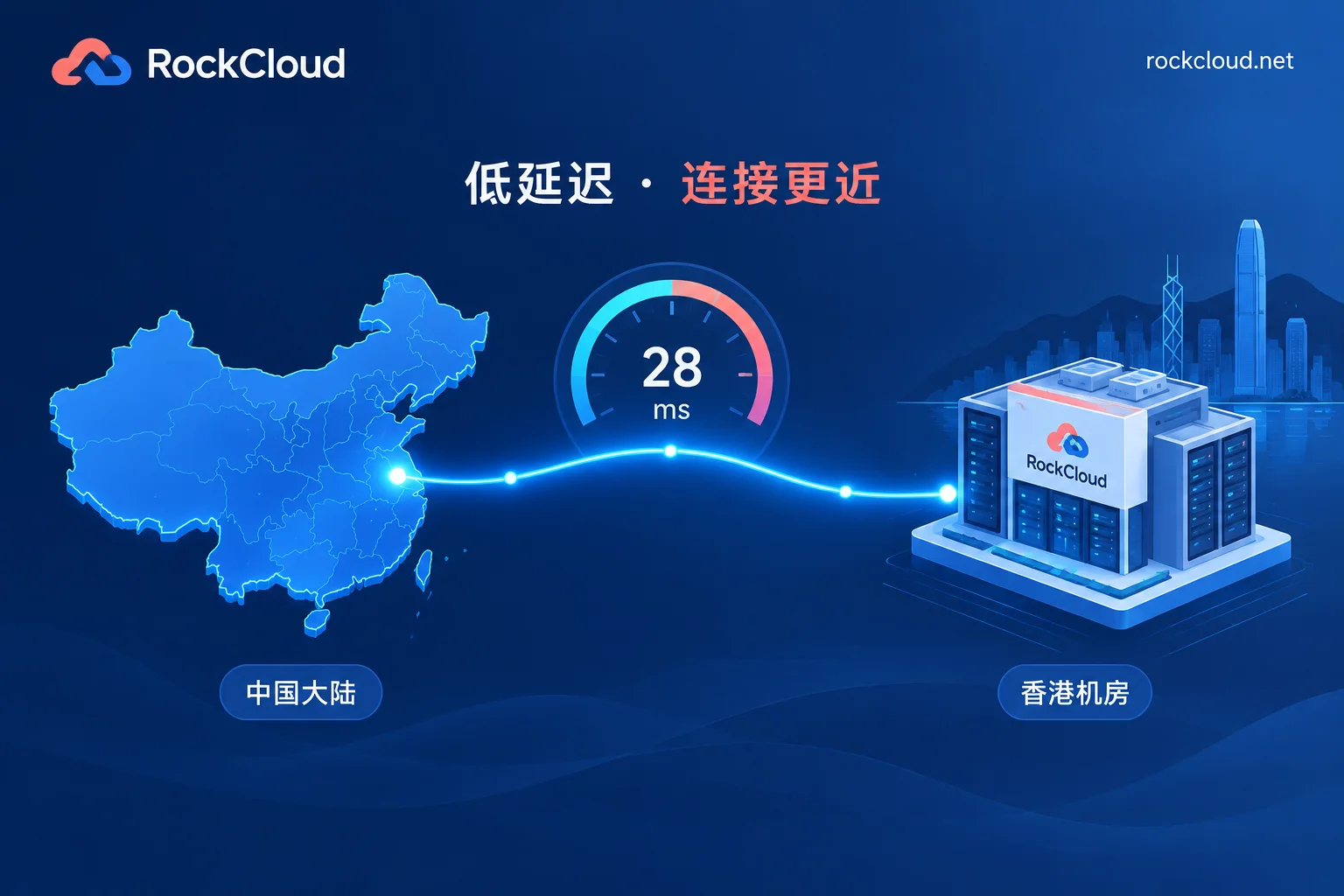
After measuring latency, to know if it's normal, refer to the regional reference values in How much latency is normal for Hong Kong CN2 servers.
Peak-Hour Performance Differs Most
During daytime speed tests, GT and GIA are often similar. The difference mainly appears during peak hours: GT's domestic segment shares the 163 backbone with ordinary user traffic, and under main network congestion, it may also be subject to QoS throttling, causing packet loss and latency to rise significantly. GIA uses a dedicated channel with higher priority, so packet loss and jitter during peak hours are usually much smaller.
If your business peak is in the evening, such as gaming, live streaming, or e-commerce events, you should look at actual peak-hour data; daytime data has limited reference value.
China Unicom and China Mobile Users Also Matter
CN2 is China Telecom's network. GT generally only significantly optimizes for China Telecom users; when China Unicom and China Mobile users access, most traffic goes through their own regular international interconnections, similar to regular lines. Better GIA solutions implement three-network return scheduling, bringing China Unicom and China Mobile cross-network return traffic into AS4809 as well.
When inquiring, you can directly ask the provider: What routes do China Unicom and China Mobile return traffic take? Then verify using the return test method above.
The Cost of GIA: Higher Price, Limited Attack Resistance
GIA's bandwidth cost per Mbps is usually several times that of GT, and overall egress resources are relatively tight. When a server or origin suffers a large DDoS attack, to protect the backbone, providers commonly blackhole the route or switch traffic back to 163 for scrubbing, degrading the line. That is, the expensive GIA line may be the first to fail when attacked.
Operators generally do not publicly disclose unified wholesale prices and SLA details for GIA; specific prices and guarantee terms need to be confirmed clause by clause in contracts.
How to Choose
- Users are mainly China Telecom, budget is limited, and peak-hour fluctuations are acceptable: GT can meet the need. If the business is not time-sensitive, regular lines are also fine.
- Targeting domestic three-network users, and peak-hour experience directly affects retention or sales (websites, APIs, games, payments, etc.): Choose GIA and confirm that all three networks' return routes are optimized.
- The business itself is prone to attacks: Do not let the GIA line directly face attack traffic. You can put acceleration and protection on the same link and hide the origin to avoid the entire line becoming unavailable after being blackholed. For details on hiding the origin, refer to Will the origin IP still be exposed after using a high-defense CDN?.
If you are in the third case, you can learn about RockCloud's CN2 China Acceleration. It supports three-network direct connection, no ICP filing required, and completes acceleration and defense on the same link with a single fee, billed by fixed peak, unlimited traffic. The service supports free testing; during the test, it is recommended to run a three-network return mtr during peak hours as described above, and decide whether to purchase after seeing actual routing and packet loss data.


Comments(0)